Author: admin_info

  • The Silent Impact Of Stress On Pets (And How To Spot It At Home)

    The Silent Impact Of Stress On Pets (And How To Spot It At Home)

    Most pet owners can easily recognize when their dog is excited or when their cat is content. But stress in pets is often less obvious. Unlike people, pets don’t talk about their worries, and instead, their stress shows up in subtle changes in behavior, appetite, or health.

    At Norgate Animal Hospital, we see many cases where what looks like a behavioral quirk or minor health change is actually stress playing a role. Understanding how stress affects pets can help you catch early signs and make life easier for your furry friend.

    How stress affects pet health

    Stress doesn’t just impact mood—it can influence nearly every part of your pet’s body. Prolonged or frequent stress leads to a surge in stress hormones, which can:

    • Weaken the immune system, making pets more prone to illness

    • Contribute to digestive issues such as vomiting, diarrhea, or appetite changes

    • Trigger skin problems like over-grooming in cats or excessive scratching in dogs

    • Worsen existing conditions such as arthritis, seizures, or urinary tract issues

    • Lead to long-term anxiety or destructive behaviors

    In short, stress may start in the brain, but it rarely stays there.

    Common sources of stress in pets

    Pets often become stressed for reasons that may seem minor to us but are significant from their perspective. Some common triggers include:

    • Changes in routine, such as a new work schedule or moving homes

    • Loud noises like fireworks, thunderstorms, or construction

    • Introduction of new pets or family members

    • Lack of enrichment or stimulation, leading to boredom and frustration

    • Separation from their owner for long periods

    • Visits to the veterinarian or grooming appointments

    • Past trauma, particularly in rescue pets

    Being aware of these stressors can help you anticipate when your pet may need extra comfort or support.

    Subtle signs of stress you might miss at home

    Cats and dogs don’t always show stress in obvious ways. Some pets withdraw, while others become more demanding. Here are some often-overlooked signs:

    • Increased shedding, especially during non-seasonal times

    • Changes in litter box habits for cats (urinating outside the box can be stress-related)

    • Excessive licking or grooming, sometimes to the point of bald spots

    • Yawning, lip licking, or pacing in dogs when there’s no clear reason

    • Hiding more often or avoiding interactions they usually enjoy

    • Sudden changes in appetite—either overeating or refusing food

    • Aggression or irritability that seems out of character

    Because many of these signs overlap with medical conditions, it’s important not to assume stress is the only cause.

    What owners can do to reduce stress

    The good news is that there are practical ways to help pets feel calmer at home:

    • Create safe spaces, like a quiet room or covered bed, where they can retreat.

    • Stick to consistent routines for feeding, walking, and playtime.

    • Use enrichment activities such as puzzle feeders, toys, or training games.

    • Provide regular exercise suited to their breed and energy level.

    • Introduce new people, pets, or changes gradually instead of all at once.

    • Play calming music or white noise during stressful events like thunderstorms.

    For some pets, professional behavior support, pheromone diffusers, or even medication may be recommended.

    When to seek veterinary help

    If your pet’s stress signs are persistent, intense, or affecting their quality of life, it’s time to consult your veterinarian. Stress can mimic medical problems, and medical problems can worsen with stress, so a checkup is the safest way to know what’s going on.

    At Norgate Animal Hospital, we help pet owners identify whether stress is the main issue, a contributing factor, or a sign of an underlying health condition. With a tailored plan, we can reduce your pet’s discomfort and improve their overall well-being.

    Stress in pets is often silent, showing up in ways that can easily be mistaken for bad behavior or minor quirks. By learning to recognize the subtle signs and taking steps to reduce stress, you can make a significant difference in your pet’s health and happiness.

    If you’re worried your pet may be showing signs of stress, reach out to us at Norgate Animal Hospital. We’re here to help both you and your pet find more peace of mind.


  • Gastrointestinal Issues in Pets: When “Just an Upset Stomach” Isn’t Simple

    Gastrointestinal Issues in Pets: When “Just an Upset Stomach” Isn’t Simple

    Most pet owners have seen their dog or cat deal with an upset stomach at some point. Maybe it’s a day of loose stools, a skipped meal, or a bit of vomiting. In many cases, these episodes are short-lived and resolve on their own. But sometimes, what looks like a minor tummy issue can actually be a sign of something more serious.

    At Norgate Animal Hospital, we often remind pet parents that the digestive system plays a big role in overall health. Paying attention to gastrointestinal (GI) changes can help you catch early warning signs before they become bigger problems.

    When an upset stomach is truly minor

    Occasional digestive issues can happen in otherwise healthy pets. Common causes include eating something unusual, mild dietary intolerance, or a sudden change in food. If your pet vomits once but then goes back to normal eating and energy, it may not be cause for concern.

    But here’s the key: frequency and persistence matter. Repeated vomiting, diarrhea lasting more than a day, or a sudden change in appetite is rarely “just a stomach bug.”

    Signs that point to something more serious

    GI issues can be linked to underlying diseases, parasites, infections, or even systemic conditions affecting organs outside the digestive tract. Symptoms that shouldn’t be ignored include:

    • Repeated vomiting or diarrhea lasting more than 24–48 hours

    • Blood in stool or vomit

    • Significant weight loss without explanation

    • Chronic soft stools or alternating constipation and diarrhea

    • Straining, bloating, or signs of abdominal pain

    • Loss of appetite or sudden disinterest in food

    • Lethargy or weakness that accompanies stomach issues

    These are red flags that your pet needs veterinary attention.

    Common gastrointestinal conditions in pets

    Digestive problems can stem from many causes. Some of the conditions we diagnose and manage at Norgate Animal Hospital include:

    • Parasites: Intestinal worms and protozoa can cause diarrhea, weight loss, and poor coat condition. Even indoor pets are not completely safe from them.

    • Inflammatory bowel disease (IBD): A chronic condition where the intestines become inflamed, leading to ongoing digestive upset.

    • Food allergies or sensitivities: Some pets react poorly to certain proteins or ingredients, leading to chronic vomiting or diarrhea.

    • Pancreatitis: Inflammation of the pancreas, often linked to fatty foods, can cause severe abdominal pain, vomiting, and loss of appetite.

    • Foreign body ingestion: Pets sometimes swallow things they shouldn’t—like toys, string, or bones—which can block the digestive tract.

    • Liver or kidney disease: Problems in these organs can show up first as GI signs such as nausea, vomiting, or poor appetite.

    • Cancer: Tumors in the stomach or intestines can mimic common GI issues in their early stages.

    What owners can do at home (and what not to do)

    If your pet has mild digestive upset but is otherwise bright and active, you can support them with short-term adjustments like:

    • Withholding food for 12 hours (dogs only) and then reintroducing a bland diet such as boiled chicken and rice.

    • Making sure fresh water is always available to prevent dehydration.

    • Transitioning foods gradually if you’re switching brands or diets.

    However, it’s important not to rely on home care if symptoms are severe, persistent, or accompanied by other warning signs. Over-the-counter remedies meant for humans should never be given without veterinary guidance, as many can be harmful to pets.

    The role of your veterinarian

    Because GI issues can be caused by anything from parasites to chronic disease, diagnosis often requires a step-by-step approach. Your veterinarian may recommend fecal testing, blood work, imaging, or diet trials to get to the root of the problem.

    The earlier these investigations begin, the better the outcome. A case of vomiting that seems simple could turn out to be pancreatitis or a foreign object, where timely care can make all the difference.

    Digestive upset in pets isn’t always something to brush off. While minor issues happen, persistent or severe symptoms are often a sign of something more. Understanding when “just an upset stomach” might be a bigger health concern is one of the best ways you can advocate for your pet’s well-being.

    At Norgate Animal Hospital, we’re here to help you sort through the uncertainty, provide answers, and get your pet back to feeling like themselves. If you notice changes in your pet’s digestion that don’t resolve quickly, don’t wait—reach out for veterinary care.

  • The Surprising Link Between Breed Size and Lifespan (What Owners Should Expect)

    The Surprising Link Between Breed Size and Lifespan (What Owners Should Expect)

    One of the hardest parts of being a pet parent is knowing our furry friends won’t live as long as we do. But here’s something that often surprises owners: a dog’s or cat’s size can play a big role in how long they live. You might expect a bigger body to mean a longer life, but with pets, it’s usually the opposite. Understanding why size matters gives owners a clearer picture of what to expect and, more importantly, how to help their pets live their healthiest possible years.

    Why small dogs tend to outlive large dogs

    Studies consistently show that smaller dogs, like Chihuahuas, toy poodles, and dachshunds, often live well into their mid-teens, while giant breeds like Great Danes, mastiffs, and Saint Bernards may only reach seven to ten years of age.

    The reason isn’t fully understood, but veterinarians and researchers have identified a few key factors:

    • Faster growth rate: Large breed puppies grow incredibly fast in their first year. That rapid growth seems to accelerate the aging process, much like burning through life’s fuel more quickly.

    • Stress on organs: Bigger bodies mean hearts, joints, and other organs work harder to keep up. This extra demand can lead to earlier onset of conditions like arthritis or heart disease.

    • Cancer risks: Large breeds are more prone to certain cancers, which contributes to shorter lifespans.

    This doesn’t mean large dogs can’t live fulfilling lives—it simply highlights the importance of preventative care and early intervention.

    Medium breeds in the middle ground

    Medium-sized dogs, such as beagles, border collies, or bulldogs, usually fall somewhere between small and large breeds in lifespan. Their average life expectancy ranges from 10 to 13 years.

    Within this group, lifestyle and genetics play a big role. For example, an active border collie with regular checkups may live much longer than a bulldog with inherited respiratory challenges. Owners of medium-sized breeds benefit most from staying vigilant about weight management, exercise, and routine screenings to catch issues before they become serious.

    Cats and breed size

    Cats don’t have as wide a size range as dogs, but similar patterns can be seen. Smaller, leaner cats often live longer than larger or heavier breeds. For instance, Siamese cats are known for their longevity, while bigger breeds like Maine coons may be more prone to heart issues and have slightly shorter average lifespans.

    Unlike dogs, where size and lifespan are strongly linked, in cats it’s often the combination of breed, weight management, and genetic predispositions that matter most.

    What owners can do to extend their pet’s healthy years

    Size may influence lifespan, but it doesn’t dictate the whole story. Owners have a huge impact on how long and how well their pets live. Here are some areas that matter most:

    • Weight management: Obesity shaves years off pets’ lives, regardless of breed size. Keeping pets lean protects joints, heart health, and overall mobility.

    • Preventative care: Regular vet visits, annual bloodwork, and early screenings make it possible to catch problems while they’re still treatable.

    • Tailored nutrition: Large breeds often benefit from joint-supportive diets, while smaller breeds may need calorie-dense food to maintain energy.

    • Exercise balance: Over-exercising a giant breed puppy can damage joints, while under-exercising a small dog can lead to obesity. Finding the right balance for breed and age is key.

    • Genetic awareness: Knowing what your pet’s breed is prone to can guide smarter care choices and monitoring at home.

    It may seem unfair that the largest, most majestic breeds often have the shortest lifespans, but with proactive care, they can still enjoy many years of comfort, love, and companionship. Smaller pets might give us more time, but they also need the same level of attention to stay healthy as they age.

    At Norgate Animal Hospital, our goal is to help pets of all sizes live their longest, happiest lives. Whether you share your home with a towering Great Dane or a tiny tabby cat, we’re here to provide tailored care that respects their unique needs.

  • Cat Breeds That Are Prone to Genetic Conditions

    Cat Breeds That Are Prone to Genetic Conditions

    When you bring a cat into your life, you want to give them the happiest, healthiest years possible. But just like people, certain cat breeds are more likely to develop specific genetic conditions. Understanding these risks isn’t meant to scare you—it helps you stay one step ahead. With the right care, attention, and veterinary support, most cats can live long, comfortable lives, even if they are predisposed to certain health challenges.

    At Norgate Animal Hospital, we see cats of all breeds and backgrounds, and one thing is clear: knowledge makes the biggest difference. Let’s look at some breeds known for their genetic predispositions and what cat owners should watch for.

    Persian and exotic shorthair cats: breathing and kidney concerns

    Those sweet, flat faces might make Persians and exotic shorthairs some of the most adored cats, but their looks come with health trade-offs. Their shortened skull structure makes them prone to brachycephalic airway syndrome, which can cause breathing issues, noisy respiration, and heat intolerance.

    Another concern with these breeds is polycystic kidney disease (PKD), a genetic condition where cysts develop in the kidneys and can eventually cause kidney failure. Responsible breeders often test for PKD, but it’s still one of the most common inherited diseases in cats. Owners should watch for increased thirst, frequent urination, or weight loss—subtle signs that something might be wrong.

    Maine coons: heart health matters

    Known as gentle giants, Maine coons are one of the largest domestic cat breeds. Unfortunately, they’re also one of the breeds most at risk for hypertrophic cardiomyopathy (HCM), a heart condition where the walls of the heart thicken and reduce its ability to pump blood efficiently.

    The tricky part about HCM is that cats often show no obvious signs until the disease has progressed. Regular veterinary checkups and sometimes even cardiac ultrasounds are key to catching it early. Owners may notice labored breathing, lethargy, or sudden weakness in the back legs if blood clots form—symptoms that require immediate veterinary attention.

    Siamese and oriental breeds: crossed eyes aren’t the only concern

    Siamese cats and their close relatives (like orientals and Balinese) have long been admired for their striking looks and affectionate personalities. While many people think of crossed eyes as their most common quirk, these breeds also have higher risks for certain cancers, dental issues, and progressive retinal atrophy (PRA), a condition that causes gradual blindness.

    For owners, monitoring vision changes, being proactive with dental cleanings, and seeking early veterinary intervention when something feels “off” can go a long way in keeping these cats healthy.

    Ragdolls: the silent risk of heart disease

    Ragdolls, with their relaxed temperaments and striking blue eyes, are another breed predisposed to hypertrophic cardiomyopathy (HCM). Like Maine coons, they may not show obvious symptoms in the early stages. Because of this, many ragdoll breeders participate in genetic testing programs to try and reduce the prevalence of HCM in the breed.

    If you share your home with a ragdoll, being proactive about heart screenings during annual checkups is one of the best gifts you can give them.

    Burmese and related breeds: diabetes and craniofacial challenges

    Burmese cats are known for their affectionate, people-oriented personalities, but they are unfortunately more prone to developing diabetes mellitus than many other breeds. Owners should watch for signs like excessive thirst, weight loss despite a good appetite, and increased urination.

    In rare cases, Burmese cats can also inherit craniofacial abnormalities. While responsible breeders actively work to reduce this risk, it’s worth being aware of if you’re considering adopting from this breed.

    What this means for cat owners

    Learning about genetic risks doesn’t mean your cat will definitely face these problems. Many cats from predisposed breeds live full, healthy lives without ever developing their associated conditions. The key is awareness and prevention.

    Here are some steps owners can take:

    • Ask about genetic testing if you’re adopting from a breeder.

    • Keep up with regular veterinary visits, even if your cat seems healthy.

    • Watch for subtle changes in behavior, appetite, or energy—cats are experts at hiding discomfort.

    • Stay informed. Knowing what your cat might be prone to makes it easier to catch problems early.

    Every cat, regardless of breed, deserves the best chance at a healthy life. By understanding breed-specific risks, you can provide proactive care and avoid being caught off guard by conditions that might otherwise go unnoticed.

    At Norgate Animal Hospital, our team is here to help you navigate these concerns, from wellness exams to advanced diagnostics. If you have questions about your cat’s breed or health risks, we’re always just a call away.

  • Addison’s Disease in Dogs: The Great Pretender of Pet Illnesses

    Addison’s Disease in Dogs: The Great Pretender of Pet Illnesses

    Some illnesses in dogs are loud and obvious. Addison’s disease is not one of them. Often called “The Great Pretender,”Addison’s disease can mimic a wide range of more common conditions, leading to delayed diagnosis and unnecessary suffering.

    At Norgate Animal Hospital, we’ve seen how tricky this condition can be to identify—especially because the symptoms are vague and come and go. But with the right care, dogs with Addison’s can live full, happy lives.

    What Exactly Is Addison’s Disease?

    Addison’s disease, or hypoadrenocorticism, occurs when your dog’s adrenal glands stop producing enough essential hormones—mainly cortisol and aldosterone. These hormones are critical for regulating metabolism, blood pressure, electrolytes, and the body’s response to stress.

    When those hormones go missing, things start to fall apart internally. But it doesn’t happen overnight. Instead, the signs show up slowly, subtly—until suddenly, your dog is in a crisis.

    Symptoms That Can Fool Even The Most Observant Owner

    The challenge with Addison’s disease is that the symptoms are incredibly nonspecific. They come and go, mimic other problems, and don’t always seem connected. Some of the most common signs include:

    • Lethargy or weakness

    • Decreased appetite

    • Vomiting and diarrhea (especially recurring)

    • Weight loss

    • Shaking or shivering

    • Increased thirst and urination

    • Collapse during times of stress

    These symptoms might look like gastrointestinal issues, kidney problems, or even just a bad day. But if they keep returning, there’s a good chance something deeper is going on.

    At Norgate Animal Hospital, we always keep Addison’s in mind when we see vague, repeat symptoms—especially in younger or middle-aged dogs.

    When A “Bad Day” Becomes An Emergency

    One of the most dangerous aspects of Addison’s is what’s known as an Addisonian crisis. This is a sudden, life-threatening episode where the dog collapses due to shock caused by dangerously low sodium, high potassium, and low cortisol levels.

    This condition can strike after a stressful event—like surgery, travel, or even a vet visit. Without immediate treatment, it can be fatal.

    The good news? Once Addison’s is correctly diagnosed and treated, most dogs bounce back beautifully. But timing is everything.

    How Addison’s Disease Is Diagnosed

    Diagnosing Addison’s isn’t always straightforward. It usually begins with blood tests that show abnormal electrolytes—especially low sodium and high potassium levels. These red flags often lead us to run a baseline cortisol test or the more specific ACTH stimulation test, which evaluates how well the adrenal glands respond to stimulation.

    At Norgate Animal Hospital, we’re equipped to run these diagnostics quickly and interpret them with your dog’s unique history in mind. We’ve caught cases of Addison’s in dogs who had been misdiagnosed for months elsewhere.

    Life After Diagnosis: What Management Looks Like

    Once a dog is diagnosed with Addison’s, treatment typically includes:

    • Daily medication: Most dogs need oral hormone replacements for life.

    • Injectable medications: Some require monthly injections for aldosterone support.

    • Monitoring and adjustments: Regular checkups and bloodwork help ensure dosage stays correct, especially during stressful periods.

    The majority of dogs do extremely well once treatment begins. They get their energy back, stop vomiting, and become their old selves again. It’s always rewarding to see the turnaround—and it’s one of the reasons we’re so passionate about early diagnosis at Norgate Animal Hospital.

    Trust Your Instincts—And Your Vet

    If your dog seems “off” and the symptoms don’t quite add up—or keep coming back despite treatment—it’s worth asking your vet whether Addison’s could be the cause. You don’t need to diagnose it yourself, but bringing up the possibility can prompt the right testing.

    At Norgate Animal Hospital, we’re here to dig deeper when symptoms are stubborn or confusing. We believe in listening to both you and your pet—and we never dismiss a pattern just because it’s hard to pin down.

    To schedule an exam or talk through your concerns, give us a call at 604-980-2222. Addison’s disease may be a great pretender, but with the right care, your dog doesn’t have to suffer in silence.

  • What Is IBD in Dogs and Cats? When a Sensitive Stomach Is Something More

    What Is IBD in Dogs and Cats? When a Sensitive Stomach Is Something More

    Occasional digestive issues in pets are common—a bout of vomiting here, a soft stool there—but what happens when it becomes the norm rather than the exception? If your dog or cat has frequent tummy troubles, they could be dealing with something more serious: Inflammatory Bowel Disease (IBD).

    At Norgate Animal Hospital, we often see pets who have been living with undiagnosed IBD for months—or even years—because the early signs can be so subtle. But once you know what to look for, it’s much easier to get your pet the help they need.

    What Exactly Is IBD And How Does It Affect Pets?

    IBD isn’t one single disease—it’s a group of gastrointestinal disorders that cause chronic inflammation in the stomach and intestines. In both dogs and cats, this inflammation disrupts digestion and nutrient absorption, leading to ongoing symptoms that can really impact their quality of life.

    What makes IBD tricky is that the inflammation can be triggered by different things: food sensitivities, immune system dysfunction, or even a reaction to bacteria in the gut. But no matter the cause, the result is the same—your pet’s digestive system stops functioning normally.

    Common Signs That Point To IBD

    IBD can look a little different depending on whether it’s affecting the stomach, small intestine, or large intestine, but some of the most frequent signs include:

    • Chronic vomiting (especially in cats)

    • Diarrhea or frequent soft stools

    • Weight loss despite normal appetite

    • Flatulence or noisy digestion

    • Mucus or blood in the stool

    • Decreased energy or general discomfort

    These symptoms can flare up and die down, which makes them easy to overlook at first. But if you notice a pattern, it’s worth bringing your pet in for a proper evaluation. At Norgate Animal Hospital, we take these signs seriously—especially if they’re recurring.

    IBD Or Something Else? Why Diagnosis Matters

    IBD can mimic other conditions like food allergies, parasites, or even gastrointestinal cancers. That’s why diagnosing it isn’t as simple as running a single test.

    We typically begin with bloodwork, fecal tests, and imaging like X-rays or ultrasounds. In some cases, we may recommend endoscopy or intestinal biopsies to get a definitive answer. These tests not only confirm IBD but also help rule out more serious conditions.

    Getting a correct diagnosis is critical to developing a treatment plan that actually works—and at Norgate Animal Hospital, we guide pet parents through every step of the process.

    Managing IBD: What Treatment Looks Like

    While IBD isn’t “curable” in the traditional sense, it is manageable. With the right combination of treatments, many pets go on to live long, happy, symptom-free lives. Common treatment options include:

    • Prescription diets that reduce inflammation and support gut health

    • Anti-inflammatory medications such as corticosteroids or immune-modulating drugs

    • Probiotics and supplements to support the digestive tract

    • Vitamin B12 injections for pets with nutrient malabsorption

    We tailor treatment plans based on your pet’s response, and regular follow-ups at Norgate Animal Hospital help us adjust as needed for long-term success.

    When To Call The Vet—And What To Expect

    If your dog or cat has been having persistent digestive problems—or if you’ve just had a gut feeling something isn’t quite right—don’t wait. IBD won’t go away on its own, but early diagnosis and intervention can make a world of difference.

    At Norgate Animal Hospital, we’ve helped many dogs and cats regain comfort, energy, and appetite through compassionate and effective care. We know the signs to watch for, and we’re here to help you make informed decisions every step of the way.

    To schedule an exam or discuss your pet’s symptoms, call us at 604-980-2222. Whether it’s IBD or something else, we’re ready to help your pet feel like themselves again.

  • Why Miniature Schnauzers Are Prone to Pancreatitis

    Why Miniature Schnauzers Are Prone to Pancreatitis

    Miniature Schnauzers have a reputation for being smart, alert, and full of personality. But behind those expressive eyes and bushy beards, there’s a health concern that catches many owners off guard: a predisposition to pancreatitis.

    Pancreatitis, the inflammation of the pancreas, is a serious condition that can cause severe abdominal pain, vomiting, lethargy, and even life-threatening complications. And unfortunately, Miniature Schnauzers are one of the breeds most commonly affected.

    At Norgate Animal Hospital, we’ve seen many Miniature Schnauzers come in with classic signs of pancreatitis—often after something as seemingly innocent as a table scrap or fatty treat.

    Why Are Miniature Schnauzers At Higher Risk?

    The tendency for pancreatitis in Miniature Schnauzers is not just bad luck—it’s rooted in their genetics and physiology. Several breed-specific traits increase their vulnerability:

    • Naturally high blood lipid levels (hyperlipidemia): Schnauzers often have elevated triglycerides, even on a normal diet. This can trigger inflammation in the pancreas.

    • Low tolerance for fatty foods: While most dogs love bacon or skin off the chicken, these indulgences are far more dangerous for Schnauzers.

    • Sluggish fat metabolism: Their bodies may not process fat efficiently, causing fat to linger in the bloodstream and irritate the pancreas.

    We often remind Schnauzer owners at Norgate Animal Hospital that what’s fine for a Labrador might spell trouble for their little guy—even a small dietary indiscretion can lead to a flare-up.

    How To Spot The Early Signs Before It Escalates

    Pancreatitis can range from mild to severe, but in all cases, early detection is crucial. Symptoms to watch for include:

    • Repeated vomiting, especially after meals

    • Loss of appetite

    • Hunched posture or signs of abdominal discomfort

    • Lethargy or reluctance to move

    • Diarrhea or dehydration

    • Pain when touching the belly area

    If you notice any of these symptoms—especially if your Schnauzer recently got into greasy food—it’s time to contact your vet. Prompt treatment can prevent complications like permanent organ damage or diabetes.

    The Danger Of “Just A Little Treat”

    One of the most common triggers we see for pancreatitis flare-ups in Miniature Schnauzers is a holiday or celebration meal shared with the dog. Fatty foods like turkey skin, gravy, bacon, or cheese may seem like a small indulgence, but they can overload your Schnauzer’s system and spark a painful episode.

    At Norgate Animal Hospital, we always caution Schnauzer families to treat their pups with healthy, vet-approved snacks. What feels like love can unfortunately land your pet in emergency care.

    Prevention Is Possible With Smart Management

    While you can’t change your Schnauzer’s genes, you can significantly reduce the risk of pancreatitis with some simple precautions:

    • Stick to a low-fat, high-quality diet formulated for sensitive digestion.

    • Avoid all table scraps, no matter how small.

    • Keep up with regular vet visits, including bloodwork to monitor triglyceride levels.

    • Manage weight carefully, since obesity increases the risk.

    • Be cautious with treats, opting for vet-approved options that are low in fat.

    Our team at Norgate Animal Hospital can help you choose the best food for your Miniature Schnauzer and build a prevention plan that works for your lifestyle.

    When In Doubt, Trust Your Gut (And Your Vet)

    If your Schnauzer suddenly isn’t acting like themselves—especially after eating something rich or fatty—it’s worth a call to your vet. The sooner pancreatitis is treated, the better the outcome.

    At Norgate Animal Hospital, we’re experienced in managing both acute and chronic pancreatitis in Miniature Schnauzers. From diagnostics to dietary planning, we’ll help your pup get back on track and stay healthy long term.

    To book a check-up or ask about preventive care, give us a call at 604-980-2222. Your Schnauzer deserves a happy, pain-free life—and we’re here to help make that happen.

  • How Forest Walks Can Put Your Dog at Risk for Giardia

    How Forest Walks Can Put Your Dog at Risk for Giardia

    There’s nothing like a peaceful walk through the forest with your dog trotting happily beside you. The fresh air, the greenery, the quiet—it’s a dream outing for many pet owners. But while these walks may seem wholesome, they can expose your dog to some unwanted microscopic trouble: Giardia.

    Giardia is a parasite that thrives in natural water sources like puddles, streams, and damp soil. And unfortunately, those are exactly the kinds of places your dog loves to sniff, splash in, or drink from during a forest hike. At Norgate Animal Hospital, we regularly treat dogs with Giardia after a weekend adventure in the great outdoors.

    What Exactly Is Giardia?

    Giardia is a protozoan parasite that infects the intestines. Dogs become infected when they ingest the parasite’s cysts, which are often found in contaminated water, soil, or feces. It’s more common than you might think—and the symptoms aren’t always immediate.

    Once ingested, Giardia sets up shop in the small intestine and starts interfering with nutrient absorption, often leading to diarrhea and other digestive issues. It’s especially concerning in puppies, seniors, and dogs with weakened immune systems.

    How Do Dogs Pick It Up In The Forest?

    Giardia isn’t airborne or contagious through casual contact. Instead, dogs typically become infected when they:

    • Drink from natural water sources like creeks, puddles, or stagnant pools

    • Lick dirty paws after walking through contaminated areas

    • Sniff or ingest infected feces from wildlife or other dogs

    • Roll in contaminated soil or mud and then groom themselves

    These behaviors are nearly impossible to prevent completely on forest trails. That’s why awareness and prevention are so important.

    Sneaky Symptoms You Shouldn’t Ignore

    One of the trickiest things about Giardia is how mild—or even invisible—the symptoms can be in some dogs. Others may show clear signs, such as:

    • Soft, greasy, or foul-smelling stools

    • Diarrhea that comes and goes

    • Weight loss or failure to gain weight

    • Lethargy or low appetite

    • Excessive gas or rumbling in the belly

    If your dog has had a recent outdoor adventure and is showing any of these signs, it’s worth getting them checked out. At Norgate Animal Hospital, we use diagnostic tests like fecal analysis to confirm the presence of Giardia and get your pet started on effective treatment.

    What Treatment Looks Like (And Why You Shouldn’t Wait)

    The good news? Giardia is treatable. Most dogs respond well to a combination of antiparasitic medications and probiotics to support gut health. However, delaying treatment can lead to prolonged discomfort and an increased risk of spreading the parasite to other pets—or even people, in rare cases.

    We’ve helped many local pet parents deal with Giardia at Norgate Animal Hospital, and early intervention always makes for a smoother, faster recovery.

    Smart Steps To Protect Your Pup On Forest Walks

    Forest walks can still be part of your dog’s routine—you just need to be a little more cautious. Here’s how to reduce your dog’s risk of picking up Giardia:

    • Bring your own water: Always carry fresh, clean water for your dog to drink instead of letting them lap up from streams or puddles.

    • Wipe paws after the walk: A simple post-hike wipe-down can remove parasite cysts from fur and paws.

    • Avoid letting your dog eat or sniff feces: Easier said than done, but staying alert during your walk can help.

    • Schedule regular fecal tests: Especially if your dog frequents off-leash parks, trails, or wooded areas.

    Need help figuring out what’s safe and what’s risky? Norgate Animal Hospital is happy to guide you on best practices based on your dog’s habits and lifestyle.

    When In Doubt, Let A Vet Check It Out

    If your dog’s tummy isn’t quite right after an outdoor adventure—or if they just seem “off”—don’t wait to get them checked. Giardia may be small, but it can cause big trouble if left untreated.

    At Norgate Animal Hospital, we’re here to support your dog’s health through every season and every trail. We offer quick diagnostics, effective treatment, and advice tailored to your pet’s needs.

    To book an appointment or speak with our team, call us at 604-980-2222. Let’s keep your dog safe, happy, and Giardia-free—no matter where the path takes you.

  • Do French Bulldogs Really Struggle in Hot Weather?

    Do French Bulldogs Really Struggle in Hot Weather?

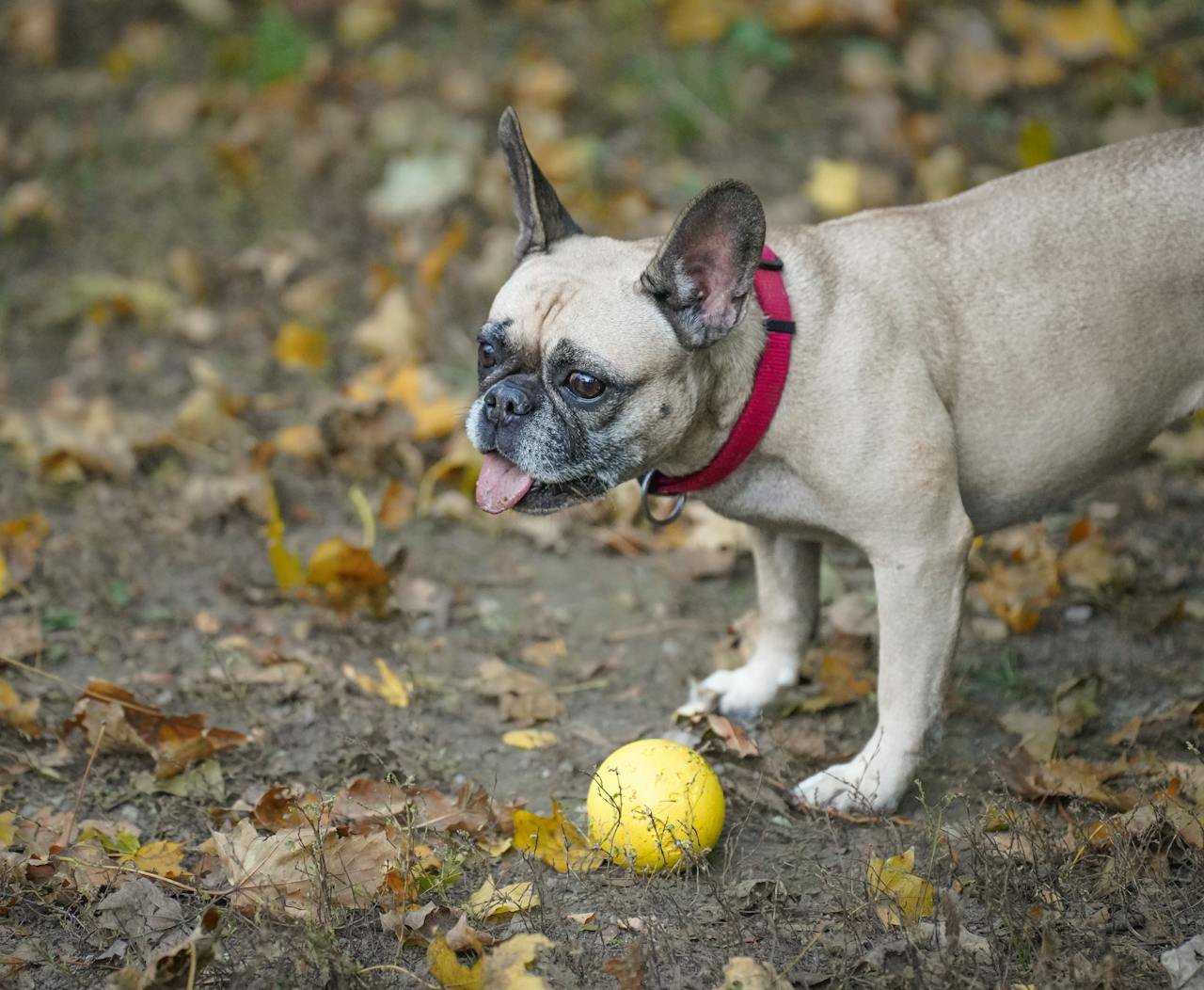
    French Bulldogs may be charming with their squishy faces and bat-like ears, but they’re not built for sunbathing. Unlike some breeds that can handle a bit of summer sun, Frenchies have a hard time regulating their body temperature—especially when the weather gets hot and humid.

    The problem lies in their adorable but compact facial structure. French Bulldogs are brachycephalic, meaning they have short noses and narrow airways. This makes it much harder for them to cool down through panting—the main way dogs release heat.

    At Norgate Animal Hospital, we’ve treated many Frenchies suffering from heat-related issues, and in most cases, the owners had no idea how fast things could escalate.

    What Makes French Bulldogs More Vulnerable Than Other Dogs?

    French Bulldogs aren’t just more heat-sensitive—they’re significantly more at risk when compared to other breeds. Here’s why:

    • Restricted airways: Their short snouts make breathing less efficient, which means slower cooling.

    • Stocky builds: They carry more weight in a compact body, which traps heat.

    • Minimal tolerance for exertion: Even a short walk in the sun can lead to overheating.

    • Poor sweating ability: Like all dogs, they don’t sweat like humans—they rely mostly on panting, which is already compromised in brachycephalic breeds.

    If you have a Frenchie, the risk of heat exhaustion isn’t just a theory—it’s a real concern, even on moderately warm days.

    Subtle Signs Your Frenchie May Be Overheating

    Heatstroke in French Bulldogs doesn’t always start with dramatic symptoms. In fact, the early warning signs are often subtle:

    • Labored or noisy breathing

    • Lethargy or sudden disinterest in walking

    • Bright red or pale gums

    • Drooling or foaming at the mouth

    • Weakness or wobbling

    If left unaddressed, these signs can progress rapidly into vomiting, collapse, or even seizures. That’s why we encourage Frenchie owners at Norgate Animal Hospital to treat any hint of overheating as urgent.

    Summer Safety Tips For French Bulldog Owners

    Keeping your Frenchie safe in the heat means being proactive, not reactive. A few small changes can make a big difference:

    • Walk early or late: Stick to cooler times of day—morning and evening walks only.

    • Stay indoors during heatwaves: Don’t risk it. Keep your pup in an air-conditioned environment.

    • Always bring water: Hydration is key. Even short trips should include a water bottle and portable bowl.

    • Cooling mats or vests: These products can help draw heat away from your dog’s body.

    • Know your dog’s limits: If your Frenchie shows even mild signs of distress, stop activity immediately and move to a cooler area.

    We’re always happy to recommend safe products and practical tips tailored to your Frenchie’s lifestyle at Norgate Animal Hospital.

    What To Do If You Suspect Heatstroke

    If your French Bulldog appears to be overheating, act fast:

    1. Move them to a cool, shaded area.

    2. Offer small amounts of cool (not ice-cold) water.

    3. Use damp towels on their paws, belly, and neck.

    4. Contact your vet immediately—even if they start to improve.

    Heatstroke can cause internal damage before symptoms appear serious. When in doubt, it’s safest to call your vet right away.

    If you’re near North Vancouver, our team at Norgate Animal Hospital is here to help. We’ve seen how fast heat emergencies can develop in Frenchies, and prompt treatment can make all the difference.

    The Bottom Line: Cuteness Comes With Responsibility

    French Bulldogs are sweet, playful companions—but they need extra care in hot weather. Their unique anatomy makes them more sensitive to heat than most dogs, and understanding their limits is essential for their safety.

    If you’re unsure whether your Frenchie’s behavior is normal during warm weather, we’re here to help. At Norgate Animal Hospital, we take the time to guide owners through heat management strategies that suit their pet’s individual needs.

    Call us at 604-980-2222 to book a summer check-up or get advice on Frenchie-friendly care.

  • Are Cat Hairballs Normal? When You Should Worry

    Are Cat Hairballs Normal? When You Should Worry

    If you’ve ever stepped on a warm, squishy pile of regurgitated fur at 3 a.m., congratulations—you’re officially a cat parent. Hairballs are often dismissed as “just a cat thing,” but is that really the whole story?

    Cats are meticulous groomers. Their tongues are covered in tiny, hook-like structures called papillae that help them clean themselves. In the process, they inevitably swallow loose fur. Most of that fur passes through the digestive tract without a hitch. But when it doesn’t? That’s when you get the dreaded hairball.

    How Often Is Too Often?

    An occasional hairball—say, once a month—is generally nothing to worry about. However, if your cat is coughing up hairballs weekly or more, something could be off. Frequent hairballs can signal excessive grooming, dietary issues, or underlying health concerns.

    At Norgate Animal Hospital, we often see cats who develop chronic hairball problems that were initially brushed off as “normal.” In many cases, it’s the frequency and accompanying symptoms that tell us it’s time to investigate further.

    Hidden Culprits Behind Frequent Hairballs

    So what causes a cat to groom themselves to the point of trouble?

    • Skin irritation or allergies: If your cat’s skin is itchy or inflamed, they may lick excessively, ingesting more fur than usual.

    • Parasites like fleas or mites: These critters often go unnoticed but can lead to excessive grooming behavior.

    • Stress or boredom: Yes, cats can develop compulsive grooming habits when anxious.

    • Poor diet: Low-fiber or nutrient-deficient diets can slow down digestion, making it harder for fur to pass through the system naturally.

    These are the types of issues we carefully evaluate at Norgate Animal Hospital during an exam. Often, what looks like a simple hairball issue can lead us to a bigger picture of your cat’s health.

    Signs It’s Time To Book A Vet Visit

    Hairballs may be common, but they’re not always harmless. You should definitely call your vet if you notice:

    • Persistent gagging, retching, or dry heaving with no hairball produced

    • Vomiting food or bile regularly

    • Lethargy, loss of appetite, or constipation

    • Frequent coughing (sometimes confused with hairballs but could indicate asthma)

    In some rare cases, a hairball can become lodged in the intestines, causing a dangerous blockage. This is a medical emergency, and early detection is critical.

    How To Help Your Cat Hack Fewer Hairballs

    There’s a lot you can do at home to minimize hairballs and keep your cat feeling their best:

    • Brush frequently: Especially during shedding season. Long-haired breeds like Persians or Maine Coons benefit from daily brushing.

    • Try a hairball-control diet: Some cat foods are formulated with higher fiber to help fur pass through more easily.

    • Offer hydration support: Wet food and clean water help keep digestion smooth.

    • Add digestive support: Products like hairball gels or fiber supplements can aid natural elimination.

    We’re happy to walk you through the best products and grooming routines tailored to your cat’s breed and lifestyle during a wellness visit at Norgate Animal Hospital.

    When In Doubt, Check It Out

    It’s easy to overlook hairballs as just another quirky cat thing—but they can sometimes signal something more serious. If your cat’s hairballs seem frequent, come with other symptoms, or just don’t sit right with you, trust your gut and talk to a vet.

    At Norgate Animal Hospital, our experienced team is here to help you figure out what’s normal, what’s not, and how to keep your cat comfortable, happy, and hairball-free. Give us a call if you’re concerned or just want to ask questions—we’re here for that, too.

    To schedule a visit or chat with our team, call us at 604-980-2222.

Skip to content