Author: Chetna

  • Microchipping and Lost Pet Prevention: Keeping North Vancouver Pets Safe

    Microchipping and Lost Pet Prevention: Keeping North Vancouver Pets Safe

    A microchip is a tiny permanent ID, about the size of a grain of rice, placed under your pet’s skin so a shelter or clinic can find your contact details and reunite you if your pet is lost. It only works if the chip is registered and kept up to date. Pair it with an ID tag and secure habits for the best protection.

    What a microchip is and how it works

    A microchip is a small electronic ID, roughly the size of a grain of rice, that a veterinarian places just under the skin between the shoulder blades. Each chip carries a unique number. When a lost pet is scanned at a clinic or shelter, that number links to your contact details in a registry, so you can be found.

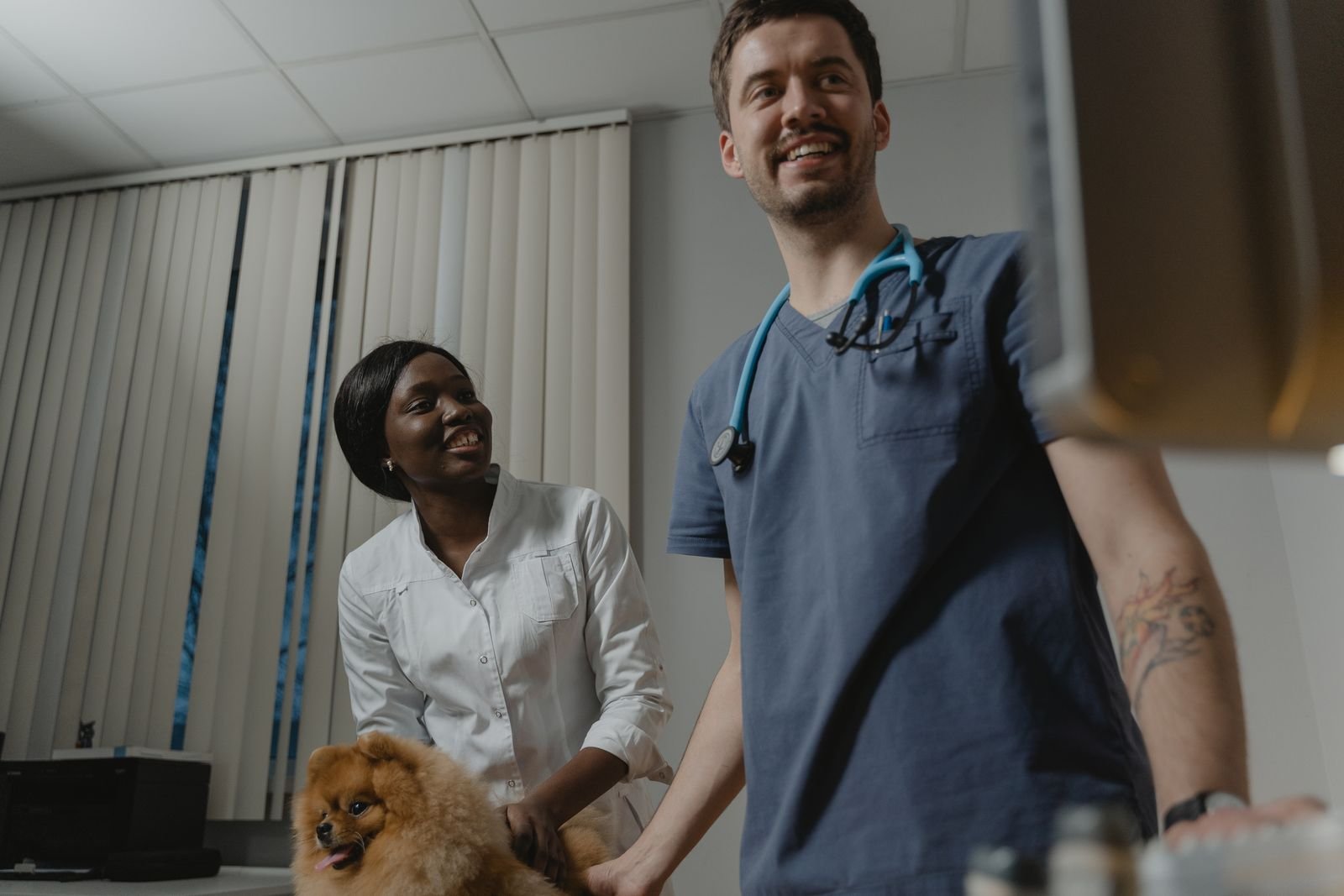
    The placement itself is quick and similar to a routine injection, and it can often be done during a regular visit or at the time of another procedure. Our wellness programs team can microchip your pet and make sure the chip is working and properly recorded.

    Why registration is the part that matters most

    A microchip on its own does nothing unless the number is registered to you with current contact information. This is the single most important and most commonly missed step. A chip that was never registered, or that still lists a previous owner or an old phone number, cannot bring your pet home.

    Make sure your chip is registered as soon as it is placed, and update the details whenever you move or change your phone number. It is worth checking your registration every so often so you know the information is right before you ever need it.

    Microchips and ID tags work best together

    A microchip is permanent and cannot fall off, which makes it reliable, but it needs a scanner to read. A collar with an ID tag, on the other hand, lets anyone who finds your pet contact you straight away, without needing to visit a clinic. The two forms of identification complement each other.

    For the best protection, use both. Keep a well fitted collar with a legible, up to date tag on your pet, and back it up with a registered microchip in case the collar comes off. Together they cover far more situations than either alone.

    Preventing your pet from getting lost

    Identification helps a lost pet get home, but prevention keeps them from getting lost in the first place. Check that fences, gates, and latches are secure, and be especially careful with doors when visitors come and go. Many pets slip out during the commotion of an open door.

    Loud events such as summer fireworks and thunderstorms are a common trigger for pets to bolt, so keep them safely indoors during noisy times. Keeping dogs leashed in unfenced areas and making sure indoor cats cannot dart outside also go a long way toward keeping your pet safe.

    What to do if your pet does go missing

    If your pet goes missing, act quickly. Search your immediate area, then contact local shelters, nearby veterinary clinics, and your microchip registry to report your pet lost. Sharing a recent, clear photo on community and lost pet networks can reach a lot of people fast.

    This is exactly when a registered microchip proves its worth, because anyone who brings your pet to a clinic or shelter can have them scanned and matched to you. Having your paperwork and registration details handy makes the whole process faster and less stressful.

    Making identification part of routine care

    Microchipping fits naturally into everyday pet care. If your pet is not yet chipped, it is easy to arrange, and if they are, a quick scan at a visit confirms the chip still reads correctly. It is also a good moment to check that your registration is current.

    Whether you have a new puppy or kitten or a long time companion, permanent identification is one of the simplest ways to protect them. Our medical services team is happy to microchip your pet or check an existing chip, sometimes alongside diagnostics or other routine care.

    Frequently asked questions

    Does microchipping hurt my pet?

    It is quick and similar to a routine injection. Most pets tolerate it well, and it can often be done during a regular visit or at the same time as another procedure.

    My pet is already microchipped. Is there anything to do?

    Yes. Confirm the chip is registered to you with current contact details, and update it whenever you move or change your number. An unregistered or outdated chip cannot bring your pet home.

    If my pet has a microchip, do they still need a collar and tag?

    Yes. A tag lets anyone who finds your pet contact you right away, while the chip is a permanent backup that a scanner can read. Using both gives the best protection.

    Can a microchip track my pet’s location?

    No. A microchip is not a GPS tracker. It stores an ID number that links to your contact details when the chip is scanned, which is how a found pet is reunited with its owner.

    What should I do the moment my pet goes missing?

    Search nearby, then contact local shelters, veterinary clinics, and your microchip registry to report your pet lost, and share a recent photo online. Fast action improves the odds of a quick reunion.
  • Heatstroke in Dogs and Cats: A Norgate Summer Safety Guide

    Heatstroke in Dogs and Cats: A Norgate Summer Safety Guide

    Heatstroke happens when a dog or cat’s body temperature rises faster than it can cool itself, and it can become life threatening within minutes. Early signs include heavy panting, drooling, weakness, and bright red gums. If you suspect heatstroke, move your pet to shade, offer cool water, and call your veterinarian right away.

    Summer in Norgate brings longer walks, trail days on the North Shore, and more time outdoors with our pets. It also brings one of the most preventable emergencies we see in dogs and cats. The good news is that a few simple habits, plus knowing the early warning signs, can keep a warm afternoon from turning into a crisis.

    Why summer heat hits pets harder than owners expect

    North Vancouver rarely feels as hot as the Interior, so it is easy to underestimate the risk. The catch is humidity. Coastal moisture makes it harder for a panting dog to shed heat, and a mild looking day can still overwhelm a pet quickly. A short midday walk near home in Norgate, a sunny spot in the car, or an enthusiastic climb on a forest trail can all push a pet’s temperature up faster than the weather alone would suggest.

    Dogs and cats do not cool themselves the way we do. They have very few sweat glands and rely mostly on panting and a small amount of cooling through their paw pads. Once panting cannot keep up, their core temperature climbs, and the body has little reserve. Cats in particular tend to hide discomfort, so signs can appear late.

    Warning signs of heatstroke

    Heat trouble usually moves along a spectrum, from mild overheating to a true emergency. Watch for signs that may include:

    • Heavy, frantic panting that does not settle with rest
    • Thick drool or foaming at the mouth
    • Bright red or, in later stages, pale or bluish gums
    • Weakness, stumbling, or reluctance to keep moving
    • Vomiting or diarrhea, sometimes with blood
    • Glazed eyes, confusion, collapse, or seizures

    Cats may simply go quiet, breathe with an open mouth, or seek out the coolest tile in the house. Any open-mouth breathing in a cat is unusual and worth a call. If you notice the more advanced signs, treat it as an emergency rather than waiting to see if your pet improves.

    Which pets are most at risk

    Every pet can overheat, but some carry extra risk and deserve closer watching through the warm months:

    • Flat-faced breeds such as Bulldogs, Pugs, Boston Terriers, and Persian cats, whose airways make cooling harder
    • Thick or double-coated dogs, including the Huskies and shepherds common on the North Shore
    • Seniors, puppies, and kittens, who regulate temperature less efficiently
    • Overweight pets, who heat up faster and tire sooner
    • Pets with heart or airway conditions

    If your pet falls into one of these groups, a seasonal wellness exam is a good time to talk through summer precautions. Visit our wellness programs page to learn more, and ask about nutritional counseling if weight management is part of the plan, since a healthy body condition makes heat far easier to handle.

    What to do if you suspect heatstroke

    Heatstroke is a medical emergency. Minutes matter, so begin cooling while you arrange to get your pet seen, and do not let cooling at home replace a veterinary visit.

    • Move your pet to shade or an air-conditioned space immediately.
    • Offer small amounts of cool, fresh water. Never force water into the mouth.
    • Wet the coat with cool, not ice cold, water, focusing on the belly, armpits, groin, and paws. A fan over the damp coat helps.
    • Avoid ice baths and ice water. Cooling a pet too fast can cause other problems, so aim for cool rather than freezing.
    • Call us on the way. Phoning ahead lets our team prepare so assessment can begin the moment you arrive.

    Even a pet who seems to bounce back can have internal effects that show up hours later, which is why professional assessment matters. Our urgent care team provides same-day urgent care for dogs and cats during clinic hours, and in-house diagnostics let us check organ function and hydration when heat has been a factor. For anything that affects breathing, do not wait, since those situations can change very quickly.

    Preventing heat emergencies in Norgate this summer

    Most heat emergencies are avoidable. A few neighbourhood-friendly habits go a long way:

    • Walk early or late. Shift walks to the cooler morning and evening hours and keep midday outings short and shaded.
    • Do the pavement test. Press the back of your hand to the sidewalk or trailhead for seven seconds. If it is too hot for your hand, it is too hot for paw pads and can cause burns.
    • Never leave a pet in a parked car. On a warm day a car heats up within minutes, even in shade with the windows cracked. There is no safe window of time.
    • Bring water everywhere. Carry a collapsible bowl on trails and offer frequent breaks. Provide constant access to shade and fresh water at home.
    • Mind the water hazards. Warm, still water around the region can develop blue-green algae, which is toxic to dogs who wade or drink. Skip stagnant ponds and rinse your dog after swimming.
    • Adjust for at-risk pets. Flat-faced, senior, and heavy-coated pets may need to skip strenuous outings entirely on warm days.

    A little planning lets you and your pet enjoy the best of a North Shore summer without the scare.

    Frequently asked questions

    How hot is too hot to walk my dog in North Vancouver?

    There is no single cutoff, because humidity, coat type, age, and fitness all matter. As a rule, once it climbs into the mid-twenties Celsius with humidity, keep walks short, shaded, and during cooler hours, and always do the seven-second pavement test first.

    Can cats get heatstroke too?

    Yes. Cats are very good at hiding discomfort, so signs like open-mouth breathing, lethargy, or seeking out cold surfaces can be easy to miss. Indoor cats are not immune, especially in sunny rooms or carriers during travel.

    How fast can heatstroke become dangerous?

    Quickly. A pet can move from heavy panting to collapse within minutes, particularly flat-faced breeds and pets left in hot cars. Begin cooling and call us right away rather than waiting to see if things improve.

    Is it safe to give my pet an ice bath?

    No. Ice baths and ice water can cool a pet too rapidly and cause further complications. Use cool, not freezing, water and let your veterinary team manage the rest.

    Worried your pet may be overheating this summer? Do not wait it out. Call Norgate Animal Hospital at (604) 980-2222 and our team will guide you on next steps, or learn more about our same-day urgent care services.