Category: Dog Care

  • Vaccinations for Adult Dogs: What’s Necessary?

    Vaccinations for Adult Dogs: What’s Necessary?

    Vaccinations are one of the most important aspects of preventive care for dogs. While puppy vaccinations get a lot of attention, adult dogs also require regular immunizations to stay protected against serious diseases. Understanding which vaccines are necessary and when to administer them helps keep your dog healthy throughout their life.

    Core Vaccines for Adult Dogs

    Core vaccines protect against diseases that are widespread, highly contagious, or pose serious health risks. For adult dogs, these typically include:

    • Rabies: A fatal viral disease that affects the nervous system. Rabies vaccination is often legally required and typically given every one to three years depending on local regulations.

    • Distemper, Adenovirus, and Parvovirus (DA2PP): These vaccines are often combined into a single shot. They protect against severe viral infections that can be life-threatening. Adult dogs usually receive booster shots every three years, depending on their risk factors and previous vaccination history.

    Non-Core Vaccines

    Non-core vaccines are given based on a dog’s lifestyle, environment, and risk of exposure. These may include:

    • Bordetella (Kennel Cough): Recommended for dogs that frequently visit boarding facilities, groomers, or dog parks.

    • Leptospirosis: Protects against a bacterial disease that can affect both dogs and humans. Recommended for dogs exposed to wildlife or standing water.

    • Lyme Disease: Recommended in areas where ticks carrying Borrelia bacteria are prevalent.

    • Canine Influenza: Recommended for dogs in high-density areas, boarding, or frequent socialization.

    Signs Your Dog May Need an Update

    Even if your dog appears healthy, it’s important to stay on top of vaccination schedules. Signs that a booster or update may be needed include:

    • It’s been more than one to three years since their last shot

    • Exposure to new environments, boarding facilities, or social events

    • Travel to areas with different disease risks

    Your veterinarian can review your dog’s vaccination history and recommend a schedule tailored to their needs.

    How Norgate Animal Hospital Supports Adult Dog Vaccinations

    At Norgate Animal Hospital, we provide comprehensive vaccination plans for adult dogs. Our veterinarians review your dog’s medical history, lifestyle, and local disease risks to determine which vaccines are necessary. We also monitor for any potential side effects and provide guidance on maintaining overall health alongside immunizations.

    Vaccinations are a critical part of keeping adult dogs healthy and protecting them from preventable diseases. Regular boosters, risk-based vaccines, and professional guidance ensure your dog stays protected throughout their adult life. To review your dog’s vaccination schedule or book an appointment, contact Norgate Animal Hospital at (604) 980-2222

  • Why Pancreatitis Is on the Rise in Dogs (and the Link to Human Foods)

    Why Pancreatitis Is on the Rise in Dogs (and the Link to Human Foods)

    If your dog has ever experienced sudden vomiting, abdominal pain, or lethargy, you may have heard your veterinarian mention pancreatitis. This condition, which involves inflammation of the pancreas, has been appearing more frequently in dogs in recent years. One of the surprising culprits? Human food. At Norgate Animal Hospital, we often see cases where a seemingly innocent snack led to a very sick pup. Let’s explore why pancreatitis is on the rise and how you can keep your dog safe.

    What exactly is pancreatitis?

    The pancreas is a small but powerful organ near your dog’s stomach and intestines. It produces enzymes that help digest food and hormones like insulin that regulate blood sugar. When the pancreas becomes inflamed, these digestive enzymes activate too early, essentially beginning to “digest” the pancreas itself. This leads to pain, nausea, vomiting, and sometimes life-threatening complications.

    Why cases are increasing

    Over the past decade, veterinarians have noticed more dogs coming in with pancreatitis. While genetics and underlying health issues (like obesity or endocrine disease) can play a role, lifestyle factors are increasingly to blame. One of the biggest influences? The way we feed our pets.

    Many owners love to share food from the table—sometimes intentionally, other times through accidental access. High-fat, greasy foods like bacon, chicken skin, gravy, fried items, and even buttery holiday treats can overwhelm a dog’s pancreas, triggering inflammation. With more families treating pets as “members of the family,” it’s no surprise that the rise in human food sharing has paralleled the rise in pancreatitis cases.

    The link to human foods

    Not all human foods are dangerous, but those rich in fat are the top offenders. Even small amounts of fatty scraps can set off pancreatitis in some dogs, especially breeds that are more prone (like Miniature Schnauzers, Yorkshire Terriers, and Cocker Spaniels). Holiday seasons, birthday parties, and family gatherings often bring a spike in emergency visits because pets get access to rich foods they aren’t used to.

    It’s important to note that a dog doesn’t need to eat a large portion to get sick. Sometimes a single slice of pizza crust dripping with cheese or a spoonful of gravy can be enough to cause problems.

    Signs you shouldn’t ignore

    Pancreatitis can range from mild to severe, but the early signs are often similar. Owners should watch for:

    • Sudden loss of appetite

    • Repeated vomiting (sometimes with foam or bile)

    • Hunched posture or signs of abdominal pain

    • Diarrhea (sometimes greasy-looking)

    • Weakness or unusual lethargy

    • Fever in more severe cases

    Because pancreatitis can escalate quickly, even mild symptoms should prompt a call to your veterinarian.

    What can help prevent pancreatitis

    The good news is that there are simple steps to reduce the risk. At Norgate Animal Hospital, we recommend:

    • Sticking to a high-quality, balanced pet diet rather than table scraps.

    • Keeping fatty and greasy human foods completely out of reach.

    • Watching your dog’s weight, since obesity increases risk.

    • Being mindful during holidays or gatherings when foods are often left unattended.

    • Talking to your vet about safe treat options if you want to spoil your dog.

    For dogs with a history of pancreatitis, prevention is even more critical. Your veterinarian may recommend a prescription low-fat diet and regular check-ups to catch flare-ups early.

    When to see your veterinarian

    If your dog shows signs of abdominal pain, repeated vomiting, or stops eating, it’s better to be cautious and seek veterinary care right away. Pancreatitis is treatable, but early intervention makes a huge difference in recovery.

    At Norgate Animal Hospital, we’re here to help diagnose, treat, and guide you through managing pancreatitis, whether it’s your dog’s first episode or a recurring issue. By being proactive about diet and lifestyle, you can reduce the risks and keep your dog healthy and happy.

  • How to Tell If Your Pet’s Limp Is Serious or Just Minor

    How to Tell If Your Pet’s Limp Is Serious or Just Minor

    It’s a scenario most pet owners have faced: your dog or cat suddenly starts limping, and you’re left wondering whether it’s just a small sprain from playtime or a sign of something more serious. Limping can be caused by many things, ranging from temporary soreness to underlying conditions that need immediate attention. Knowing how to tell the difference can help you act quickly and ensure your pet gets the right care.

    Common causes of limping

    Limping doesn’t always mean a major problem. Sometimes it’s as simple as a sore paw pad from stepping on gravel, or a mild muscle strain from too much running. Other times, the cause might be more concerning. Common reasons pets limp include:

    • Cuts, scrapes, or foreign objects lodged in the paw

    • Nail injuries or torn claws

    • Muscle strains or sprains

    • Arthritis or joint inflammation, especially in older pets

    • Hip or elbow dysplasia in certain breeds

    • Ligament injuries, such as a torn cruciate ligament

    • Fractures or dislocations

    • Neurological issues affecting coordination

    Because the causes are so varied, the severity can be hard to judge at home.

    When a limp may be minor

    Some limps improve on their own with a little rest. For example, if your pet had a long play session at the park and starts limping but otherwise seems comfortable—eating, drinking, wagging their tail or purring—it may just be temporary soreness.

    You can try:

    • Resting your pet for 24–48 hours

    • Checking their paw pads and nails for visible injuries

    • Monitoring for improvement without pushing them to exercise

    If the limp gets better in a day or two, it may not require a vet visit.

    Warning signs the limp is serious

    Certain signs mean your pet’s limp needs veterinary attention right away. These include:

    • Limping that doesn’t improve after 48 hours of rest

    • Refusal to put weight on the leg at all

    • Visible swelling, bleeding, or an open wound

    • Sudden yelping, whining, or aggression when the area is touched

    • Limping accompanied by lethargy, loss of appetite, or fever

    • Injuries following trauma such as a fall or car accident

    Even if your pet is only limping slightly, underlying problems like joint disease or ligament tears can worsen without treatment.

    Breed and age considerations

    Certain breeds are more prone to joint or bone problems that cause limping. Large breed dogs like Labradors, German Shepherds, and Golden Retrievers may face hip or elbow dysplasia. Older pets, both cats and dogs, are more likely to limp due to arthritis or age-related joint degeneration.

    For these pets, even a mild limp should be taken seriously, as it could be the first sign of a chronic issue.

    How your vet can help

    At Norgate Animal Hospital, we take limping seriously because it can reveal so much about your pet’s health. Depending on the case, our team may:

    • Perform a physical exam to check for pain points and range of motion

    • Use X-rays or imaging to detect fractures or joint issues

    • Recommend rest, medication, or physical therapy for recovery

    • Suggest surgery if there’s a torn ligament or severe joint problem

    The goal is always to relieve pain, promote healing, and prevent long-term damage.

    What owners can do at home

    While waiting for a vet appointment, you can make your pet more comfortable by limiting activity, providing a soft resting space, and avoiding rough play. Never give human pain medications unless specifically instructed by your veterinarian, as many are toxic to pets.

    A limp might not always mean an emergency, but it’s never something to ignore. Paying attention to the severity, duration, and any additional symptoms can help you decide when it’s time to seek veterinary care. When in doubt, it’s always safer to have your pet checked—your quick response could make all the difference in their comfort and long-term health.

  • Signs of Cognitive Decline in Older Dogs and Cats (And What Can Help)

    Signs of Cognitive Decline in Older Dogs and Cats (And What Can Help)

    As our pets age, we usually expect to see some physical changes—slower walks, longer naps, or perhaps a little stiffness in the mornings. But what many owners don’t realize is that pets, like people, can also experience cognitive decline as they grow older. This condition, often compared to dementia in humans, is more common than many think.

    At Norgate Animal Hospital, we often remind pet parents that recognizing the signs early can make a big difference. With the right support, older pets can still enjoy comfort, connection, and a good quality of life.

    What is cognitive decline in pets?

    Cognitive decline, also called cognitive dysfunction syndrome (CDS), affects the brain’s ability to function normally as pets age. It’s most commonly seen in senior dogs and cats and is linked to changes in the brain that impact memory, learning, awareness, and behavior.

    The tricky part is that the symptoms can look a lot like normal aging, which is why it often goes unnoticed until it begins to significantly affect daily life.

    Common signs to watch for in older dogs

    Dogs experiencing cognitive decline may show subtle or sometimes dramatic changes, such as:

    • Disorientation—wandering aimlessly, getting “stuck” in corners, or struggling to find familiar places in the home

    • Changes in sleep patterns—restlessness at night and excessive sleeping during the day

    • Loss of house-training habits, leading to accidents indoors

    • Decreased interest in play or social interactions

    • Increased anxiety, vocalizing, or clinginess

    • Difficulty learning new commands or suddenly forgetting old ones

    Common signs to watch for in older cats

    Cats often hide signs of illness or distress, and cognitive decline is no exception. Look for:

    • Increased vocalization, often at night

    • Forgetting where the litter box is or missing it altogether

    • Seeming disoriented in familiar surroundings

    • Less interest in grooming, leading to a duller coat

    • Changes in interaction—either becoming unusually clingy or withdrawn

    • Altered sleep-wake cycles, with more nighttime activity

    How stress and other conditions complicate the picture

    Not all changes in behavior are caused by cognitive decline. Arthritis, vision loss, hearing impairment, kidney disease, or stress can mimic many of these signs. This is why a thorough veterinary exam is so important. At Norgate Animal Hospital, we often run bloodwork, imaging, and physical exams to rule out other conditions before diagnosing CDS.

    What can help pets with cognitive decline

    While cognitive decline can’t be reversed, there are ways to slow its progression and improve quality of life:

    • Routine and predictability: Consistent feeding, walking, and sleeping schedules reduce anxiety and confusion.

    • Environmental enrichment: Puzzle feeders, toys, gentle training, and interactive play keep the brain engaged.

    • Dietary support: Special senior diets enriched with antioxidants, omega-3 fatty acids, and medium-chain triglycerides (MCTs) can support brain health.

    • Safe spaces: Make sure pets have easy access to food, water, and litter boxes, with ramps or rugs for traction if mobility is also an issue.

    • Medication and supplements: In some cases, your veterinarian may prescribe medications or recommend supplements that support cognitive function.

    • Comfort and connection: Regular affection, calm reassurance, and spending time together help pets feel secure.

    Watching your beloved dog or cat age isn’t easy, especially when their behavior starts to change in ways that feel unfamiliar. But recognizing the signs of cognitive decline early gives you the chance to support them with the right care and adjustments.

    At Norgate Animal Hospital, we’re here to help senior pets age with dignity and comfort. If you’ve noticed changes in your pet’s behavior that concern you, don’t wait—schedule a checkup so we can work together to keep your companion happy and healthy for as long as possible.

  • The Surprising Link Between Breed Size and Lifespan (What Owners Should Expect)

    The Surprising Link Between Breed Size and Lifespan (What Owners Should Expect)

    One of the hardest parts of being a pet parent is knowing our furry friends won’t live as long as we do. But here’s something that often surprises owners: a dog’s or cat’s size can play a big role in how long they live. You might expect a bigger body to mean a longer life, but with pets, it’s usually the opposite. Understanding why size matters gives owners a clearer picture of what to expect and, more importantly, how to help their pets live their healthiest possible years.

    Why small dogs tend to outlive large dogs

    Studies consistently show that smaller dogs, like Chihuahuas, toy poodles, and dachshunds, often live well into their mid-teens, while giant breeds like Great Danes, mastiffs, and Saint Bernards may only reach seven to ten years of age.

    The reason isn’t fully understood, but veterinarians and researchers have identified a few key factors:

    • Faster growth rate: Large breed puppies grow incredibly fast in their first year. That rapid growth seems to accelerate the aging process, much like burning through life’s fuel more quickly.

    • Stress on organs: Bigger bodies mean hearts, joints, and other organs work harder to keep up. This extra demand can lead to earlier onset of conditions like arthritis or heart disease.

    • Cancer risks: Large breeds are more prone to certain cancers, which contributes to shorter lifespans.

    This doesn’t mean large dogs can’t live fulfilling lives—it simply highlights the importance of preventative care and early intervention.

    Medium breeds in the middle ground

    Medium-sized dogs, such as beagles, border collies, or bulldogs, usually fall somewhere between small and large breeds in lifespan. Their average life expectancy ranges from 10 to 13 years.

    Within this group, lifestyle and genetics play a big role. For example, an active border collie with regular checkups may live much longer than a bulldog with inherited respiratory challenges. Owners of medium-sized breeds benefit most from staying vigilant about weight management, exercise, and routine screenings to catch issues before they become serious.

    Cats and breed size

    Cats don’t have as wide a size range as dogs, but similar patterns can be seen. Smaller, leaner cats often live longer than larger or heavier breeds. For instance, Siamese cats are known for their longevity, while bigger breeds like Maine coons may be more prone to heart issues and have slightly shorter average lifespans.

    Unlike dogs, where size and lifespan are strongly linked, in cats it’s often the combination of breed, weight management, and genetic predispositions that matter most.

    What owners can do to extend their pet’s healthy years

    Size may influence lifespan, but it doesn’t dictate the whole story. Owners have a huge impact on how long and how well their pets live. Here are some areas that matter most:

    • Weight management: Obesity shaves years off pets’ lives, regardless of breed size. Keeping pets lean protects joints, heart health, and overall mobility.

    • Preventative care: Regular vet visits, annual bloodwork, and early screenings make it possible to catch problems while they’re still treatable.

    • Tailored nutrition: Large breeds often benefit from joint-supportive diets, while smaller breeds may need calorie-dense food to maintain energy.

    • Exercise balance: Over-exercising a giant breed puppy can damage joints, while under-exercising a small dog can lead to obesity. Finding the right balance for breed and age is key.

    • Genetic awareness: Knowing what your pet’s breed is prone to can guide smarter care choices and monitoring at home.

    It may seem unfair that the largest, most majestic breeds often have the shortest lifespans, but with proactive care, they can still enjoy many years of comfort, love, and companionship. Smaller pets might give us more time, but they also need the same level of attention to stay healthy as they age.

    At Norgate Animal Hospital, our goal is to help pets of all sizes live their longest, happiest lives. Whether you share your home with a towering Great Dane or a tiny tabby cat, we’re here to provide tailored care that respects their unique needs.

  • Addison’s Disease in Dogs: The Great Pretender of Pet Illnesses

    Addison’s Disease in Dogs: The Great Pretender of Pet Illnesses

    Some illnesses in dogs are loud and obvious. Addison’s disease is not one of them. Often called “The Great Pretender,”Addison’s disease can mimic a wide range of more common conditions, leading to delayed diagnosis and unnecessary suffering.

    At Norgate Animal Hospital, we’ve seen how tricky this condition can be to identify—especially because the symptoms are vague and come and go. But with the right care, dogs with Addison’s can live full, happy lives.

    What Exactly Is Addison’s Disease?

    Addison’s disease, or hypoadrenocorticism, occurs when your dog’s adrenal glands stop producing enough essential hormones—mainly cortisol and aldosterone. These hormones are critical for regulating metabolism, blood pressure, electrolytes, and the body’s response to stress.

    When those hormones go missing, things start to fall apart internally. But it doesn’t happen overnight. Instead, the signs show up slowly, subtly—until suddenly, your dog is in a crisis.

    Symptoms That Can Fool Even The Most Observant Owner

    The challenge with Addison’s disease is that the symptoms are incredibly nonspecific. They come and go, mimic other problems, and don’t always seem connected. Some of the most common signs include:

    • Lethargy or weakness

    • Decreased appetite

    • Vomiting and diarrhea (especially recurring)

    • Weight loss

    • Shaking or shivering

    • Increased thirst and urination

    • Collapse during times of stress

    These symptoms might look like gastrointestinal issues, kidney problems, or even just a bad day. But if they keep returning, there’s a good chance something deeper is going on.

    At Norgate Animal Hospital, we always keep Addison’s in mind when we see vague, repeat symptoms—especially in younger or middle-aged dogs.

    When A “Bad Day” Becomes An Emergency

    One of the most dangerous aspects of Addison’s is what’s known as an Addisonian crisis. This is a sudden, life-threatening episode where the dog collapses due to shock caused by dangerously low sodium, high potassium, and low cortisol levels.

    This condition can strike after a stressful event—like surgery, travel, or even a vet visit. Without immediate treatment, it can be fatal.

    The good news? Once Addison’s is correctly diagnosed and treated, most dogs bounce back beautifully. But timing is everything.

    How Addison’s Disease Is Diagnosed

    Diagnosing Addison’s isn’t always straightforward. It usually begins with blood tests that show abnormal electrolytes—especially low sodium and high potassium levels. These red flags often lead us to run a baseline cortisol test or the more specific ACTH stimulation test, which evaluates how well the adrenal glands respond to stimulation.

    At Norgate Animal Hospital, we’re equipped to run these diagnostics quickly and interpret them with your dog’s unique history in mind. We’ve caught cases of Addison’s in dogs who had been misdiagnosed for months elsewhere.

    Life After Diagnosis: What Management Looks Like

    Once a dog is diagnosed with Addison’s, treatment typically includes:

    • Daily medication: Most dogs need oral hormone replacements for life.

    • Injectable medications: Some require monthly injections for aldosterone support.

    • Monitoring and adjustments: Regular checkups and bloodwork help ensure dosage stays correct, especially during stressful periods.

    The majority of dogs do extremely well once treatment begins. They get their energy back, stop vomiting, and become their old selves again. It’s always rewarding to see the turnaround—and it’s one of the reasons we’re so passionate about early diagnosis at Norgate Animal Hospital.

    Trust Your Instincts—And Your Vet

    If your dog seems “off” and the symptoms don’t quite add up—or keep coming back despite treatment—it’s worth asking your vet whether Addison’s could be the cause. You don’t need to diagnose it yourself, but bringing up the possibility can prompt the right testing.

    At Norgate Animal Hospital, we’re here to dig deeper when symptoms are stubborn or confusing. We believe in listening to both you and your pet—and we never dismiss a pattern just because it’s hard to pin down.

    To schedule an exam or talk through your concerns, give us a call at 604-980-2222. Addison’s disease may be a great pretender, but with the right care, your dog doesn’t have to suffer in silence.

  • How Forest Walks Can Put Your Dog at Risk for Giardia

    How Forest Walks Can Put Your Dog at Risk for Giardia

    There’s nothing like a peaceful walk through the forest with your dog trotting happily beside you. The fresh air, the greenery, the quiet—it’s a dream outing for many pet owners. But while these walks may seem wholesome, they can expose your dog to some unwanted microscopic trouble: Giardia.
    Giardia is a parasite that thrives in natural water sources like puddles, streams, and damp soil. And unfortunately, those are exactly the kinds of places your dog loves to sniff, splash in, or drink from during a forest hike. At Norgate Animal Hospital, we regularly treat dogs with Giardia after a weekend adventure in the great outdoors.

    What Exactly Is Giardia?

    Giardia is a protozoan parasite that infects the intestines. Dogs become infected when they ingest the parasite’s cysts, which are often found in contaminated water, soil, or feces. It’s more common than you might think—and the symptoms aren’t always immediate.

    Once ingested, Giardia sets up shop in the small intestine and starts interfering with nutrient absorption, often leading to diarrhea and other digestive issues. It’s especially concerning in puppies, seniors, and dogs with weakened immune systems.

    How Do Dogs Pick It Up In The Forest?

    Giardia isn’t airborne or contagious through casual contact. Instead, dogs typically become infected when they:

    • Drink from natural water sources like creeks, puddles, or stagnant pools

    • Lick dirty paws after walking through contaminated areas

    • Sniff or ingest infected feces from wildlife or other dogs

    • Roll in contaminated soil or mud and then groom themselves

    These behaviors are nearly impossible to prevent completely on forest trails. That’s why awareness and prevention are so important.

    Sneaky Symptoms You Shouldn’t Ignore

    One of the trickiest things about Giardia is how mild—or even invisible—the symptoms can be in some dogs. Others may show clear signs, such as:

    • Soft, greasy, or foul-smelling stools

    • Diarrhea that comes and goes

    • Weight loss or failure to gain weight

    • Lethargy or low appetite

    • Excessive gas or rumbling in the belly

    If your dog has had a recent outdoor adventure and is showing any of these signs, it’s worth getting them checked out. At Norgate Animal Hospital, we use diagnostic tests like fecal analysis to confirm the presence of Giardia and get your pet started on effective treatment.

    What Treatment Looks Like (And Why You Shouldn’t Wait)

    The good news? Giardia is treatable. Most dogs respond well to a combination of antiparasitic medications and probiotics to support gut health. However, delaying treatment can lead to prolonged discomfort and an increased risk of spreading the parasite to other pets—or even people, in rare cases.

    We’ve helped many local pet parents deal with Giardia at Norgate Animal Hospital, and early intervention always makes for a smoother, faster recovery.

    Smart Steps To Protect Your Pup On Forest Walks

    Forest walks can still be part of your dog’s routine—you just need to be a little more cautious. Here’s how to reduce your dog’s risk of picking up Giardia:

    • Bring your own water: Always carry fresh, clean water for your dog to drink instead of letting them lap up from streams or puddles.

    • Wipe paws after the walk: A simple post-hike wipe-down can remove parasite cysts from fur and paws.

    • Avoid letting your dog eat or sniff feces: Easier said than done, but staying alert during your walk can help.

    • Schedule regular fecal tests: Especially if your dog frequents off-leash parks, trails, or wooded areas.

    Need help figuring out what’s safe and what’s risky? Norgate Animal Hospital is happy to guide you on best practices based on your dog’s habits and lifestyle.

    When In Doubt, Let A Vet Check It Out

    If your dog’s tummy isn’t quite right after an outdoor adventure—or if they just seem “off”—don’t wait to get them checked. Giardia may be small, but it can cause big trouble if left untreated.

    At Norgate Animal Hospital, we’re here to support your dog’s health through every season and every trail. We offer quick diagnostics, effective treatment, and advice tailored to your pet’s needs.

    To book an appointment or speak with our team, call us at 604-980-2222. Let’s keep your dog safe, happy, and Giardia-free—no matter where the path takes you.

  • Do French Bulldogs Really Struggle in Hot Weather?

    Do French Bulldogs Really Struggle in Hot Weather?

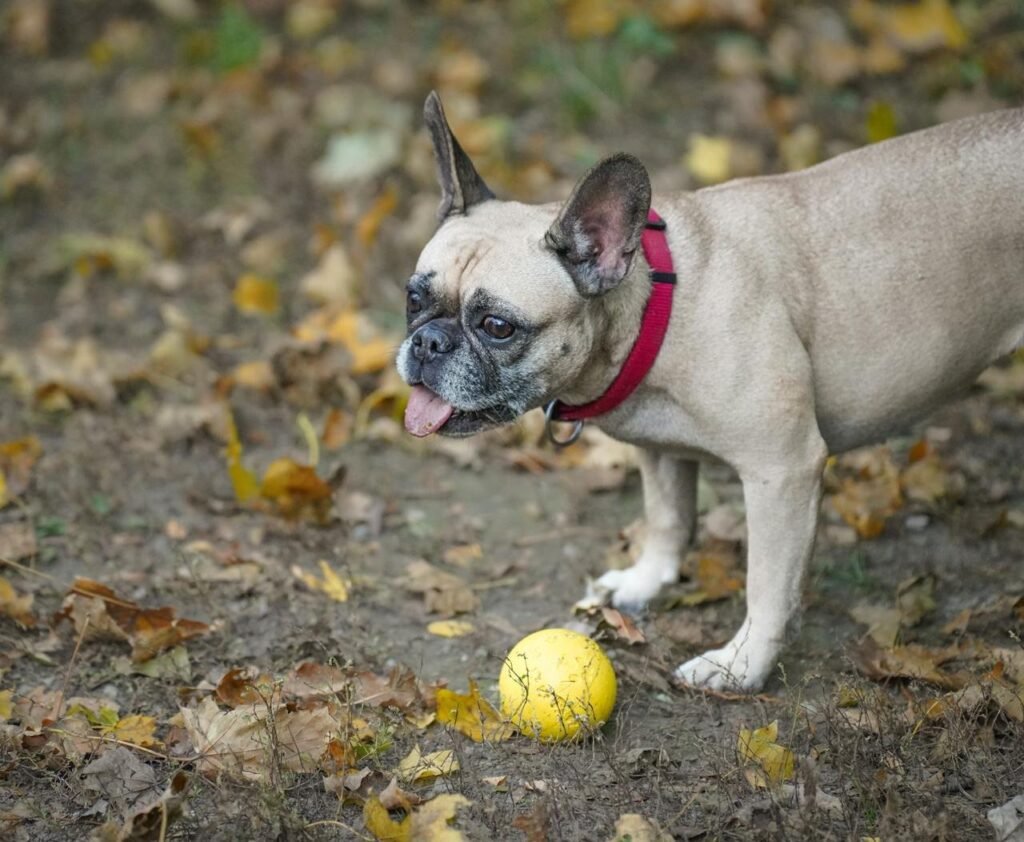
    French Bulldogs may be charming with their squishy faces and bat-like ears, but they’re not built for sunbathing. Unlike some breeds that can handle a bit of summer sun, Frenchies have a hard time regulating their body temperature—especially when the weather gets hot and humid.

    The problem lies in their adorable but compact facial structure. French Bulldogs are brachycephalic, meaning they have short noses and narrow airways. This makes it much harder for them to cool down through panting—the main way dogs release heat.

    At Norgate Animal Hospital, we’ve treated many Frenchies suffering from heat-related issues, and in most cases, the owners had no idea how fast things could escalate.

    What Makes French Bulldogs More Vulnerable Than Other Dogs?

    French Bulldogs aren’t just more heat-sensitive—they’re significantly more at risk when compared to other breeds. Here’s why:

    • Restricted airways: Their short snouts make breathing less efficient, which means slower cooling.

    • Stocky builds: They carry more weight in a compact body, which traps heat.

    • Minimal tolerance for exertion: Even a short walk in the sun can lead to overheating.

    • Poor sweating ability: Like all dogs, they don’t sweat like humans—they rely mostly on panting, which is already compromised in brachycephalic breeds.

    If you have a Frenchie, the risk of heat exhaustion isn’t just a theory—it’s a real concern, even on moderately warm days.

    Subtle Signs Your Frenchie May Be Overheating

    Heatstroke in French Bulldogs doesn’t always start with dramatic symptoms. In fact, the early warning signs are often subtle:

    • Labored or noisy breathing

    • Lethargy or sudden disinterest in walking

    • Bright red or pale gums

    • Drooling or foaming at the mouth

    • Weakness or wobbling

    If left unaddressed, these signs can progress rapidly into vomiting, collapse, or even seizures. That’s why we encourage Frenchie owners at Norgate Animal Hospital to treat any hint of overheating as urgent.

    Summer Safety Tips For French Bulldog Owners

    Keeping your Frenchie safe in the heat means being proactive, not reactive. A few small changes can make a big difference:

    • Walk early or late: Stick to cooler times of day—morning and evening walks only.

    • Stay indoors during heatwaves: Don’t risk it. Keep your pup in an air-conditioned environment.

    • Always bring water: Hydration is key. Even short trips should include a water bottle and portable bowl.

    • Cooling mats or vests: These products can help draw heat away from your dog’s body.

    • Know your dog’s limits: If your Frenchie shows even mild signs of distress, stop activity immediately and move to a cooler area.

    We’re always happy to recommend safe products and practical tips tailored to your Frenchie’s lifestyle at Norgate Animal Hospital.

    What To Do If You Suspect Heatstroke

    If your French Bulldog appears to be overheating, act fast:

    1. Move them to a cool, shaded area.

    2. Offer small amounts of cool (not ice-cold) water.

    3. Use damp towels on their paws, belly, and neck.

    4. Contact your vet immediately—even if they start to improve.

    Heatstroke can cause internal damage before symptoms appear serious. When in doubt, it’s safest to call your vet right away.

    If you’re near North Vancouver, our team at Norgate Animal Hospital is here to help. We’ve seen how fast heat emergencies can develop in Frenchies, and prompt treatment can make all the difference.

    The Bottom Line: Cuteness Comes With Responsibility

    French Bulldogs are sweet, playful companions—but they need extra care in hot weather. Their unique anatomy makes them more sensitive to heat than most dogs, and understanding their limits is essential for their safety.

    If you’re unsure whether your Frenchie’s behavior is normal during warm weather, we’re here to help. At Norgate Animal Hospital, we take the time to guide owners through heat management strategies that suit their pet’s individual needs.

    Call us at 604-980-2222 to book a summer check-up or get advice on Frenchie-friendly care.

  • What Is Cushing’s Disease in Dogs and How Is It Treated?

    What Is Cushing’s Disease in Dogs and How Is It Treated?

    As pet owners, we’re always on the lookout for anything unusual in our dogs — a limp, a scratch, a skipped meal. But what happens when the signs are a little more subtle or seem like “just getting older”? That’s often the case with Cushing’s disease in dogs — a condition we see regularly here at Norgate Animal Hospital and one that’s more common than you might think.
    What Is Cushing’s Disease?

    Cushing’s disease, officially called hyperadrenocorticism, happens when your dog’s body produces too much of a hormone called cortisol. Now, cortisol isn’t bad — in fact, it helps regulate things like metabolism, stress response, and immune function. But when it’s produced in excess, it throws your dog’s system off balance, leading to a host of health problems.

    Types of Cushing’s Disease

    There are three main types of Cushing’s disease in dogs. The most common is pituitary-dependent Cushing’s, caused by a benign tumor on the pituitary gland in the brain, which tells the adrenal glands to keep making cortisol when it shouldn’t. Adrenal-dependent Cushing’s, on the other hand, comes from a tumor on one of the adrenal glands themselves. Lastly, iatrogenic Cushing’s is caused by long-term use of corticosteroid medications. It’s less common but entirely drug-induced.

    Symptoms of Cushing’s Disease in Dogs

    The tricky thing with Cushing’s is that its signs can be mistaken for normal aging or other health problems. That’s why paying attention to new or worsening behaviors is so important. Common signs of Cushing’s disease include increased thirst and urination, increased appetite, a pot-bellied appearance, hair loss, thin or fragile skin, excessive panting, lethargy, and recurring skin infections. If you’re noticing a few of these signs in your dog, it’s a good idea to book an exam with your vet. At Norgate Animal Hospital, we can run tests to confirm if Cushing’s is the cause.

    Diagnosing Cushing’s Disease

    Diagnosing Cushing’s disease isn’t always straightforward — no single test gives us a definite yes or no. That’s why we typically start with blood tests, which help rule out other conditions and can show telltale signs like elevated liver enzymes. A urinalysis checks for diluted urine and infections, both of which are common with Cushing’s. Specific tests like the ACTH stimulation test or low-dose dexamethasone suppression (LDDS) test are used to measure how your dog’s adrenal glands respond to certain medications and help confirm the diagnosis. Sometimes ultrasounds or advanced imaging are used to check for tumors on the adrenal glands. If you’re local to North Vancouver, you can give us a call to chat about your pet’s symptoms — we’re happy to help guide you on what steps to take next.

    Treatment Options for Cushing’s Disease

    The good news is that while Cushing’s is a chronic condition, it can be managed successfully. The type of treatment your dog needs depends on what kind of Cushing’s they have. For pituitary-dependent Cushing’s, the most common type, medications like Vetoryl® (trilostane) are typically prescribed to control cortisol production. This requires lifelong treatment and regular blood tests to adjust dosages and monitor your dog’s response. For adrenal-dependent Cushing’s, surgical removal of the adrenal tumor might be recommended if it’s benign and operable. For iatrogenic Cushing’s, gradually tapering off steroid medications under a vet’s guidance can resolve the issue. Never stop steroids suddenly without your vet’s supervision — it can be dangerous. At Norgate Animal Hospital, we work closely with pet owners to create a customized treatment plan that balances effective management with your pet’s quality of life. Regular monitoring is key because Cushing’s management is a long-term commitment.

    Prevention and Monitoring

    Unfortunately, there’s no surefire way to prevent naturally occurring Cushing’s disease. But what you can do is stay alert to the symptoms, especially in middle-aged and older dogs, and bring them in for regular check-ups. If your dog is on long-term steroids, make sure you’re working closely with your vet to use the lowest effective dose for the shortest time possible.

    If you’re noticing your dog is guzzling water like never before, constantly hungry, developing a pot-bellied appearance, shedding more than normal, or getting bald patches, don’t brush it off as “just getting older.” These could be signs of something bigger — and catching it early means better options for your pup. You’re always welcome to reach out to Norgate Animal Hospital at 604-980-2222. Whether it’s a routine check-up or you’re seeing concerning symptoms, our team is here to support both you and your pet.

  • Arthritis in Older Pets: Symptoms and How to Manage It

    Arthritis in Older Pets: Symptoms and How to Manage It

    As our pets get older, their bodies go through changes—just like ours do. One of the most common age-related issues we see in senior pets at Norgate Animal Hospital is arthritis. If your furry friend seems a little stiffer, slower, or less playful these days, it might not just be “old age.” It could be arthritis, and the good news is there’s a lot we can do to help them feel more comfortable.

    Let’s walk through the signs, what’s really happening in those joints, and how you, as a loving pet owner, can manage it.

    What Is Arthritis in Pets?

    Arthritis is a painful inflammation of the joints. It happens when the cushioning cartilage between the bones wears down, causing bones to rub against each other. This creates pain, stiffness, and swelling. It’s most common in older pets, but it can also develop in younger animals, especially if they’ve had injuries or are genetically predisposed.

    We often see arthritis in:

    • Hips

    • Knees

    • Elbows

    • Shoulders

    • Spine

    Both dogs and cats can get it — though cats are masters at hiding pain, making it tricky to spot.

    Symptoms of Arthritis in Older Pets

    Since pets can’t tell us where it hurts, it’s up to us to notice the little changes. Here’s what to watch for:

    In Dogs:

    • Limping or favoring one leg

    • Stiffness when getting up or lying down

    • Slower walks or reluctance to go for walks

    • Trouble climbing stairs or jumping into the car

    • Less interest in playing

    • Irritability when touched near sore areas

    In Cats:

    • Reluctance to jump onto furniture or counters

    • Sleeping more than usual (even for a cat!)

    • Hesitation or stiffness when getting up

    • Poor grooming habits (especially around sore joints)

    • Avoiding the litter box if it’s hard to access

    If you’ve noticed any of these signs, it’s worth scheduling a check-up. You can give us a call at 604-980-2222 — our team at Norgate Animal Hospital is always ready to help figure out what’s going on and offer relief.

    How to Manage Arthritis in Pets

    While arthritis can’t be “cured,” it can definitely be managed to improve your pet’s quality of life. Here’s how we approach it:

    1. Veterinary Care and Diagnosis

    First, it’s important to confirm that arthritis is the issue. At Norgate Animal Hospital, we perform a physical exam and may recommend X-rays to see the extent of joint changes. This helps us build a customized care plan for your pet.

    2. Pain Management

    Controlling pain is a top priority. Depending on the severity, we might recommend:

    • Anti-inflammatory medications

    • Pain relievers specific for pets (never give human medications without your vet’s advice — some can be toxic to animals)

    • Joint supplements with glucosamine and chondroitin to support cartilage health

    We carefully tailor medication plans to each pet’s needs and medical history.

    3. Weight Management

    Extra pounds mean extra pressure on sore joints. If your pet is carrying a little extra weight, even a small weight loss can make a big difference. We offer nutrition counseling at Norgate Animal Hospital to help you choose a diet plan that supports healthy weight loss and joint health.

    4. Low-Impact Exercise

    While it might seem kinder to let your pet rest, gentle, consistent movement is crucial to keep joints mobile and muscles strong.
    Great options include:

    • Short, frequent walks for dogs

    • Interactive play sessions for cats with toys or food puzzles
      We’ll help you figure out the right level of activity for your pet’s condition.

    5. Physical Therapy and Rehabilitation

    Depending on your pet’s needs, we might recommend exercises or stretches to improve mobility. Some pets benefit from professional physical therapy or hydrotherapy (water-based exercise that’s easy on the joints).

    6. Environmental Adjustments

    A few small changes around your home can make life a lot easier for an arthritic pet:

    • Soft bedding in easy-to-reach spots

    • Pet ramps for furniture or cars

    • Non-slip rugs or mats to prevent slipping

    • Easily accessible litter boxes for cats

    We often help pet owners brainstorm simple, affordable changes like these during visits at Norgate Animal Hospital.

    When Should You Call the Vet?

    If you notice your pet:

    • Struggling to stand or move

    • Showing signs of pain or irritability

    • Avoiding activities they used to enjoy

    • Having trouble with stairs or getting in and out of the litter box

    It’s time to give us a call at 604-980-2222. The sooner we catch arthritis, the sooner we can ease their discomfort.

    Arthritis might be common in older pets, but that doesn’t mean they have to suffer in silence. With proper care, medication, diet, and some thoughtful changes at home, your pet can stay comfortable and happy for years to come.

    At Norgate Animal Hospital, we treat your pets like family — because they are. If you have questions, need advice, or are ready to schedule a wellness check, don’t hesitate to reach out at 604-980-2222. We’re here to help keep those tails wagging and purrs coming, no matter your pet’s age