Category: Dog Care

  • Heatstroke in Dogs and Cats: A Norgate Summer Safety Guide

    Heatstroke in Dogs and Cats: A Norgate Summer Safety Guide

    Heatstroke happens when a dog or cat’s body temperature rises faster than it can cool itself, and it can become life threatening within minutes. Early signs include heavy panting, drooling, weakness, and bright red gums. If you suspect heatstroke, move your pet to shade, offer cool water, and call your veterinarian right away.

    Summer in Norgate brings longer walks, trail days on the North Shore, and more time outdoors with our pets. It also brings one of the most preventable emergencies we see in dogs and cats. The good news is that a few simple habits, plus knowing the early warning signs, can keep a warm afternoon from turning into a crisis.

    Why summer heat hits pets harder than owners expect

    North Vancouver rarely feels as hot as the Interior, so it is easy to underestimate the risk. The catch is humidity. Coastal moisture makes it harder for a panting dog to shed heat, and a mild looking day can still overwhelm a pet quickly. A short midday walk near home in Norgate, a sunny spot in the car, or an enthusiastic climb on a forest trail can all push a pet’s temperature up faster than the weather alone would suggest.

    Dogs and cats do not cool themselves the way we do. They have very few sweat glands and rely mostly on panting and a small amount of cooling through their paw pads. Once panting cannot keep up, their core temperature climbs, and the body has little reserve. Cats in particular tend to hide discomfort, so signs can appear late.

    Warning signs of heatstroke

    Heat trouble usually moves along a spectrum, from mild overheating to a true emergency. Watch for signs that may include:

    • Heavy, frantic panting that does not settle with rest
    • Thick drool or foaming at the mouth
    • Bright red or, in later stages, pale or bluish gums
    • Weakness, stumbling, or reluctance to keep moving
    • Vomiting or diarrhea, sometimes with blood
    • Glazed eyes, confusion, collapse, or seizures

    Cats may simply go quiet, breathe with an open mouth, or seek out the coolest tile in the house. Any open-mouth breathing in a cat is unusual and worth a call. If you notice the more advanced signs, treat it as an emergency rather than waiting to see if your pet improves.

    Which pets are most at risk

    Every pet can overheat, but some carry extra risk and deserve closer watching through the warm months:

    • Flat-faced breeds such as Bulldogs, Pugs, Boston Terriers, and Persian cats, whose airways make cooling harder
    • Thick or double-coated dogs, including the Huskies and shepherds common on the North Shore
    • Seniors, puppies, and kittens, who regulate temperature less efficiently
    • Overweight pets, who heat up faster and tire sooner
    • Pets with heart or airway conditions

    If your pet falls into one of these groups, a seasonal wellness exam is a good time to talk through summer precautions. Visit our wellness programs page to learn more, and ask about nutritional counseling if weight management is part of the plan, since a healthy body condition makes heat far easier to handle.

    What to do if you suspect heatstroke

    Heatstroke is a medical emergency. Minutes matter, so begin cooling while you arrange to get your pet seen, and do not let cooling at home replace a veterinary visit.

    • Move your pet to shade or an air-conditioned space immediately.
    • Offer small amounts of cool, fresh water. Never force water into the mouth.
    • Wet the coat with cool, not ice cold, water, focusing on the belly, armpits, groin, and paws. A fan over the damp coat helps.
    • Avoid ice baths and ice water. Cooling a pet too fast can cause other problems, so aim for cool rather than freezing.
    • Call us on the way. Phoning ahead lets our team prepare so assessment can begin the moment you arrive.

    Even a pet who seems to bounce back can have internal effects that show up hours later, which is why professional assessment matters. Our urgent care team provides same-day urgent care for dogs and cats during clinic hours, and in-house diagnostics let us check organ function and hydration when heat has been a factor. For anything that affects breathing, do not wait, since those situations can change very quickly.

    Preventing heat emergencies in Norgate this summer

    Most heat emergencies are avoidable. A few neighbourhood-friendly habits go a long way:

    • Walk early or late. Shift walks to the cooler morning and evening hours and keep midday outings short and shaded.
    • Do the pavement test. Press the back of your hand to the sidewalk or trailhead for seven seconds. If it is too hot for your hand, it is too hot for paw pads and can cause burns.
    • Never leave a pet in a parked car. On a warm day a car heats up within minutes, even in shade with the windows cracked. There is no safe window of time.
    • Bring water everywhere. Carry a collapsible bowl on trails and offer frequent breaks. Provide constant access to shade and fresh water at home.
    • Mind the water hazards. Warm, still water around the region can develop blue-green algae, which is toxic to dogs who wade or drink. Skip stagnant ponds and rinse your dog after swimming.
    • Adjust for at-risk pets. Flat-faced, senior, and heavy-coated pets may need to skip strenuous outings entirely on warm days.

    A little planning lets you and your pet enjoy the best of a North Shore summer without the scare.

    Frequently asked questions

    How hot is too hot to walk my dog in North Vancouver?

    There is no single cutoff, because humidity, coat type, age, and fitness all matter. As a rule, once it climbs into the mid-twenties Celsius with humidity, keep walks short, shaded, and during cooler hours, and always do the seven-second pavement test first.

    Can cats get heatstroke too?

    Yes. Cats are very good at hiding discomfort, so signs like open-mouth breathing, lethargy, or seeking out cold surfaces can be easy to miss. Indoor cats are not immune, especially in sunny rooms or carriers during travel.

    How fast can heatstroke become dangerous?

    Quickly. A pet can move from heavy panting to collapse within minutes, particularly flat-faced breeds and pets left in hot cars. Begin cooling and call us right away rather than waiting to see if things improve.

    Is it safe to give my pet an ice bath?

    No. Ice baths and ice water can cool a pet too rapidly and cause further complications. Use cool, not freezing, water and let your veterinary team manage the rest.

    Worried your pet may be overheating this summer? Do not wait it out. Call Norgate Animal Hospital at (604) 980-2222 and our team will guide you on next steps, or learn more about our same-day urgent care services.

  • Low-Shedding Dog Breeds for Allergy-Sensitive Families

    Low-Shedding Dog Breeds for Allergy-Sensitive Families

    For many families, the idea of bringing a dog home is exciting until allergies become part of the conversation. Sneezing, itchy eyes, and congestion can make living with a shedding dog uncomfortable for people who are sensitive to pet allergens. The good news is that some dog breeds shed far less than others and may be a better fit for allergy sensitive households.

    While no dog is truly hypoallergenic, certain breeds produce less dander and shed less fur, which can reduce allergy triggers in the home. If someone in your household struggles with allergies but still wants the companionship of a dog, choosing a low shedding breed and maintaining good grooming habits can make a big difference.

    Why Some Dogs Trigger Fewer Allergies

    Most people assume dog hair itself causes allergies, but the main trigger is actually a protein found in a dog’s skin cells, saliva, and urine. These microscopic particles, known as dander, attach to fur and spread throughout the home when a dog sheds.

    Dogs that shed heavily release more hair and dander into the environment, which increases allergy exposure. Low shedding breeds tend to hold onto their hair longer, meaning fewer allergens spread through the air and onto furniture.

    Regular grooming and cleaning routines can further reduce allergens and help allergy sensitive families live more comfortably with a dog.

    Poodle

    Poodles are often one of the first breeds recommended for allergy sensitive families. Their curly coat traps loose hair and dander rather than releasing it into the environment.

    Available in standard, miniature, and toy sizes, Poodles are adaptable to different living situations. They are also highly intelligent and easy to train, which makes them a popular choice for first time dog owners.

    However, their coat requires consistent grooming. Professional grooming every few weeks and regular brushing at home help prevent matting and keep shedding under control.

    Bichon Frise

    The Bichon Frise is a small, cheerful breed known for its fluffy white coat and friendly personality. Although their coat appears thick, Bichons shed very little compared to many other breeds.

    Their soft, curly hair tends to trap dander instead of releasing it into the air. Because of this, Bichons are often recommended for households with mild allergies.

    Like Poodles, their coat requires regular grooming and brushing to keep it clean and healthy.

    Portuguese Water Dog

    The Portuguese Water Dog gained widespread attention when it was chosen by several high profile families seeking allergy friendly pets. This breed has a dense, curly coat that sheds minimally.

    Originally bred to assist fishermen, Portuguese Water Dogs are energetic, intelligent, and highly trainable. They thrive in active households and enjoy activities such as swimming, hiking, and agility training.

    Because of their energy level, they require regular exercise and mental stimulation.

    Maltese

    The Maltese is a small companion dog with a long, silky coat that sheds far less than many other breeds. Despite their elegant appearance, Maltese dogs are playful and affectionate.

    Their coat grows continuously rather than shedding in large amounts, which helps limit allergens in the home. However, the coat requires frequent grooming and brushing to prevent tangles.

    Many owners choose shorter trims to make grooming more manageable.

    Schnauzer

    Schnauzers are another breed known for lower shedding coats. Available in miniature, standard, and giant sizes, they offer options for different family lifestyles.

    Their wiry coat sheds minimally, which can make them a good choice for allergy sensitive homes. Schnauzers are also known for their alert, loyal personalities and strong bonds with their families.

    Routine grooming and occasional professional trimming help maintain their coat and reduce loose hair.

    Managing Allergies When You Own a Dog

    Even with a low shedding breed, allergy management is still important. Regular grooming, vacuuming, and washing dog bedding can significantly reduce allergens in the home.

    Bathing dogs periodically helps remove dander from their coat. Using air purifiers and keeping certain areas of the home pet free can also help family members with allergies breathe more comfortably.

    Before adopting a dog, it may also be helpful for allergy sensitive individuals to spend time with the breed to see how their body responds.

    Veterinary Care for Allergy Friendly Breeds

    Regular veterinary care is important for all dogs, including those considered allergy friendly. Healthy skin and coats reduce excess dander and help keep shedding under control.

    Routine wellness exams, proper nutrition, and parasite prevention all play a role in maintaining coat health. Skin conditions or allergies in dogs themselves can increase dander production, which may worsen symptoms for sensitive family members.

    If you are considering bringing a low shedding dog into your home, the veterinary team at Norgate Animal Hospital can help guide you on breed selection, grooming recommendations, and preventive care to keep your dog healthy and comfortable for years to come.

  • Wet Weather and Paw Care: Protecting Your Dog’s Feet on the North Shore

    Wet Weather and Paw Care: Protecting Your Dog’s Feet on the North Shore

    Life on the North Shore means living with a lot of rain. From fall through spring, North Vancouver’s trails, sidewalks, and parks are often wet, muddy, and covered with debris from surrounding forests. While many dogs love splashing through puddles and exploring muddy paths, constant exposure to wet conditions can take a toll on their paws.
    A dog’s paw pads are tough, but they are not indestructible. Prolonged moisture, rough terrain, and hidden debris can lead to irritation, cuts, and infections. Understanding how wet weather affects your dog’s paws and taking a few preventive steps can help keep your dog comfortable and active during the rainy months.

    Why Wet Weather Can Cause Paw Problems

    Rainy conditions create a perfect environment for paw irritation. When paws remain wet for long periods, the skin between the toes can soften and become more vulnerable to injury.

    Trails across the North Shore often include gravel, sharp stones, fallen branches, and rough tree roots. When a dog’s paw pads are softened by moisture, they are more likely to develop small cuts or abrasions from these surfaces.

    Wet conditions can also trap mud, bacteria, and small debris between the toes. If not cleaned properly, this buildup may lead to infections or painful inflammation.

    Common Paw Issues During Rainy Seasons

    Veterinarians often see an increase in paw related problems during the wet months in North Vancouver. One common issue is redness and irritation between the toes caused by moisture and bacteria.

    Small cuts and abrasions are also frequent, especially in dogs that run enthusiastically on rocky trails or wooded paths. These injuries can become infected if dirt and bacteria enter the wound.

    Another concern is cracked or overly softened paw pads. Constant exposure to wet ground followed by drying indoors can weaken the protective outer layer of the paw pad.

    Some dogs may also develop fungal or bacterial infections in the skin between their toes, particularly if the fur in that area stays damp for extended periods.

    Rinse and Dry Paws After Every Walk

    One of the simplest and most effective ways to protect your dog’s paws is to rinse and dry them after outdoor walks.

    Rinsing removes mud, salt, bacteria, and debris that may irritate the skin. This step is especially helpful after hikes on forested trails where organic material can become lodged between the toes.

    After rinsing, gently dry your dog’s paws with a clean towel. Make sure to dry between the toes where moisture tends to linger. Leaving paws damp for long periods increases the chance of irritation or infection.

    Trim Fur Around the Paw Pads

    Dogs with longer fur between their paw pads may trap mud and moisture more easily. Keeping the fur around the pads trimmed can help prevent debris from sticking and allow paws to dry faster.

    Regular grooming also makes it easier to spot small injuries or foreign objects lodged between the toes.

    If you are unsure how to trim this area safely, a professional groomer can help maintain healthy paw hygiene.

    Consider Protective Paw Products

    For dogs that frequently hike or walk on rough terrain, paw protection products can help reduce irritation during wet conditions.

    Paw balms create a protective barrier that helps maintain moisture balance in the paw pads and prevents cracking. Some dog owners also use waterproof dog boots during longer hikes on muddy trails.

    While not every dog enjoys wearing boots at first, many adapt with gradual training and positive reinforcement.

    Check Paws for Injuries or Debris

    After walks or hikes, take a moment to inspect your dog’s paws. Look between the toes for small stones, sticks, burrs, or cuts.

    Watch for signs that your dog may have a paw problem. Limping, excessive licking of the paws, or sensitivity when touching the feet can indicate irritation or injury.

    Early detection helps prevent minor issues from becoming more serious infections.

    When to See a Veterinarian

    Occasional minor irritation can often improve with cleaning and rest, but persistent symptoms should be evaluated by a veterinarian.

    Redness that does not improve, swelling, discharge, or a strong odor from the paws may indicate infection. Dogs that continuously lick or chew their feet may also have an underlying issue such as allergies or a deeper injury.

    Prompt veterinary care helps prevent small problems from becoming painful or difficult to treat.

    Keeping Your Dog Comfortable During North Shore Winters

    Rainy weather is part of life on the North Shore, but it should not stop you and your dog from enjoying outdoor adventures. With a few preventive habits such as rinsing paws, drying them thoroughly, and checking for injuries, you can greatly reduce the risk of paw problems during wet conditions.

    If you notice persistent paw irritation or signs of infection, the veterinary team at Norgate Animal Hospital can evaluate your dog’s paws and recommend appropriate treatment to keep them healthy and ready for the next walk.

  • Everything You Need to Know Before Adopting a Husky

    Everything You Need to Know Before Adopting a Husky

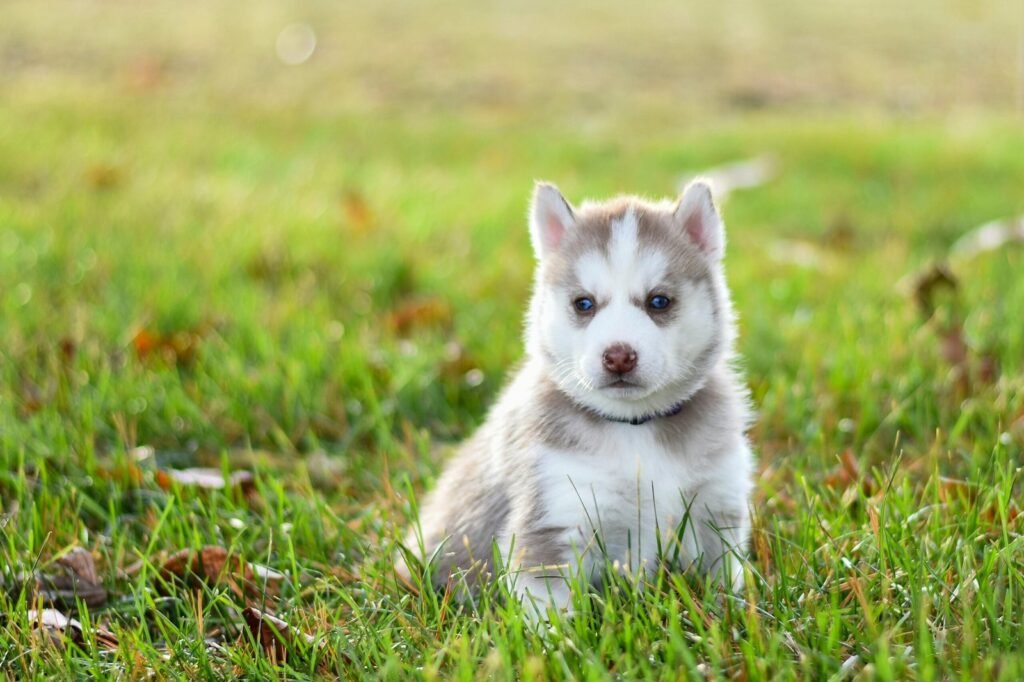
    Siberian Huskies are known for their striking blue or multi colored eyes, thick coats, and wolf like appearance. They are energetic, intelligent, and incredibly social dogs. Because of their beauty and personality, many people are drawn to Huskies when thinking about adopting a dog.

    However, Huskies are not the right fit for every household. They were originally bred as sled dogs, which means they have high energy levels, strong instincts, and specific care needs that can surprise first time owners. Before bringing a Husky home, it is important to understand what living with this breed truly involves.

    Huskies Have Extremely High Energy Levels

    Huskies are working dogs that were bred to pull sleds across long distances in harsh conditions. As a result, they have exceptional stamina and require a significant amount of daily exercise.

    A short walk around the block is rarely enough to satisfy a Husky. Most Huskies need long walks, runs, hikes, or active play sessions every day. Without proper exercise, they can become bored and frustrated, which may lead to destructive behavior such as chewing furniture, digging, or escaping the yard.

    Active owners who enjoy hiking, running, or spending time outdoors often find Huskies to be great companions because the breed thrives on physical activity.

    Huskies Are Famous Escape Artists

    One of the most well known traits of Huskies is their ability to escape. They are incredibly clever and persistent when it comes to finding ways out of yards or enclosures.

    Huskies can jump over fences, squeeze through small gaps, or dig under barriers if they are determined. Because of this, a secure yard with a high, well maintained fence is essential for Husky owners.

    Even in fenced areas, supervision is important. Many Huskies will wander if they find an opportunity, and their strong prey drive can lead them to chase wildlife or small animals.

    Their Thick Coat Requires Regular Grooming

    Huskies have a dense double coat that protects them in cold weather. While this coat is beautiful, it also sheds heavily, particularly during seasonal coat changes.

    During shedding periods, Huskies can lose large amounts of fur in a short time. Regular brushing helps manage the shedding and keeps the coat healthy. Owners should expect to brush their Husky several times per week, and even more frequently during heavy shedding seasons.

    The good news is that Huskies are naturally clean dogs and generally do not require frequent bathing unless they get very dirty.

    Huskies Are Social and Need Companionship

    Huskies are pack oriented dogs that thrive on companionship. They tend to do best in homes where they receive plenty of interaction and attention from their owners.

    Dogs left alone for long periods may develop separation related behaviors such as excessive howling, digging, or chewing. Huskies are also known for their vocal personalities. Instead of barking frequently, they often communicate through howls and other expressive sounds.

    Because of their social nature, Huskies often do well in households with other dogs if introductions are handled properly.

    Training Requires Patience and Consistency

    Huskies are highly intelligent, but they are also independent thinkers. This combination can make training more challenging compared to some other breeds.

    They are capable of learning quickly but may choose to ignore commands if they are not motivated. Consistent training, positive reinforcement, and patience are essential for building good behavior.

    Early socialization and obedience training are particularly important. Exposing a Husky puppy to different environments, people, and experiences helps build confidence and reduces behavioral problems later in life.

    Huskies Have a Strong Prey Drive

    Because of their working dog heritage, Huskies often have a strong instinct to chase smaller animals. Cats, rabbits, squirrels, and other wildlife can trigger this prey drive.

    Some Huskies can live peacefully with cats if they are raised together from a young age, but this is not always guaranteed. Careful introductions and supervision are important when bringing a Husky into a home with smaller pets.

    Keeping Huskies on leash during walks is usually the safest approach to prevent sudden chasing behavior.

    Veterinary Care and Preventive Health

    Like all dogs, Huskies benefit from regular veterinary care. Routine wellness exams, vaccinations, parasite prevention, and dental care play a key role in maintaining long term health.

    Huskies are generally considered a healthy breed, but they can be prone to certain conditions such as eye disorders, hip issues, and some skin problems. Regular veterinary checkups help detect health concerns early and ensure your dog stays healthy and active.

    Maintaining a healthy weight and providing a balanced diet are also important, particularly for such an active breed.

    Is a Husky the Right Dog for You?

    Huskies can be loyal, playful, and incredibly rewarding companions for the right owner. They thrive in active households that can meet their exercise, training, and social needs.

    However, their high energy levels, shedding, and escape tendencies mean they require a dedicated and prepared owner. Understanding these needs before adoption helps ensure both you and your future dog have a positive and successful relationship.

    If you are considering adopting a Husky and want guidance on breed specific care, training, or preventive health, the team at Norgate Animal Hospital can help you prepare for life with this unique and energetic breed.

  • Parvovirus in Puppies: Symptoms and Emergency Care

    Parvovirus in Puppies: Symptoms and Emergency Care

    Few diagnoses worry puppy owners more than parvovirus. Often called “parvo,” this highly contagious viral disease spreads quickly among young dogs and can become life threatening without rapid medical care. At veterinary hospitals, parvovirus remains one of the most serious infections we treat in puppies, especially those that are unvaccinated or not fully vaccinated.
    Understanding the early signs of parvovirus and knowing when to seek emergency care can make a critical difference. With prompt veterinary treatment, many puppies can recover, but delays in care greatly reduce survival chances.

    What Is Parvovirus?

    Canine parvovirus is a highly contagious virus that attacks rapidly dividing cells in a dog’s body. In puppies, the virus primarily affects the intestinal tract and the immune system. The result is severe inflammation of the intestines and a weakened ability to fight infection.

    Because puppies’ immune systems are still developing, they are particularly vulnerable. The highest risk age is typically between six weeks and six months old, especially if vaccinations are incomplete.

    Parvovirus spreads through infected feces and contaminated environments. The virus is extremely resilient and can survive on surfaces, soil, shoes, clothing, and pet equipment for months. A puppy does not need direct contact with a sick dog to become infected. Walking through a contaminated area can be enough.

    This is one reason veterinarians recommend limiting a puppy’s exposure to high traffic dog areas until vaccinations are complete.

    Early Symptoms of Parvovirus in Puppies

    The earliest symptoms of parvovirus can appear subtle at first, which sometimes causes owners to underestimate the severity of the illness. Early recognition is crucial because the disease progresses rapidly.

    Common early signs include loss of appetite, unusual tiredness, and mild fever. Puppies may become less playful, sleep more than usual, or refuse food they normally enjoy.

    As the infection progresses, symptoms become more severe. Vomiting and diarrhea often develop quickly. The diarrhea may become watery and eventually bloody. A strong, unpleasant odor is also common with parvo related diarrhea.

    Other symptoms include abdominal pain, dehydration, and rapid weight loss. Puppies may appear weak, shaky, or unable to stand for long periods.

    Because these symptoms can worsen within hours, veterinary care should be sought immediately if parvovirus is suspected.

    Why Parvovirus Becomes Life Threatening

    Parvovirus damages the lining of the intestines, which prevents puppies from absorbing nutrients and fluids. Severe vomiting and diarrhea lead to rapid dehydration.

    At the same time, the virus weakens the immune system, making the puppy vulnerable to secondary bacterial infections that can spread through the bloodstream.

    Without treatment, many puppies develop severe dehydration, septic infection, and shock. This combination is why parvovirus can become fatal so quickly.

    Early intervention from a veterinarian dramatically improves survival rates.

    What To Do If You Suspect Parvovirus

    If your puppy shows symptoms consistent with parvovirus, contact a veterinarian immediately. This condition is considered a medical emergency.

    Do not attempt to treat severe vomiting or diarrhea at home while waiting to see if symptoms improve. Puppies can become dangerously dehydrated very quickly.

    It is also important to limit contact with other dogs until a diagnosis is confirmed. Because parvovirus spreads easily, keeping the infected puppy isolated helps protect other pets.

    When visiting the veterinary clinic, staff may guide you through specific arrival instructions to prevent exposing other patients.

    How Veterinarians Treat Parvovirus

    There is no medication that directly kills the parvovirus itself. Treatment focuses on supporting the puppy’s body while the immune system fights the infection.

    Hospitalization is usually required for moderate to severe cases. Veterinary treatment often includes intravenous fluids to correct dehydration, medications to control vomiting, and antibiotics to prevent secondary bacterial infections.

    Electrolyte monitoring, nutritional support, and careful observation are also critical during treatment. Some puppies may require several days of hospitalization.

    With aggressive care, many puppies recover fully. However, recovery depends heavily on how early treatment begins and the overall health of the puppy.

    Preventing Parvovirus Through Vaccination

    Vaccination is the most effective way to protect puppies from parvovirus. Puppies typically begin their vaccination series around six to eight weeks of age, followed by booster shots every few weeks until approximately sixteen weeks old.

    Because maternal antibodies can interfere with early vaccines, multiple doses are necessary to build reliable immunity.

    Until the full vaccine series is complete, it is safest to avoid high risk environments such as dog parks, busy trails, pet stores, and areas with heavy dog traffic.

    Regular veterinary wellness visits help ensure that puppies receive vaccines on schedule and remain protected.

    When To Seek Emergency Veterinary Care

    Any puppy experiencing repeated vomiting, severe diarrhea, extreme lethargy, or refusal to drink water should be evaluated by a veterinarian immediately.

    Waiting even one day can allow dehydration and infection to worsen significantly. Early medical care often makes the difference between a manageable illness and a critical emergency.

    Puppy owners should never hesitate to contact a veterinarian if something feels wrong. Young dogs can deteriorate quickly, and prompt treatment saves lives.

    Protecting Your Puppy’s Health

    Parvovirus is a frightening diagnosis for any dog owner, but knowledge and prevention go a long way in protecting puppies. Staying on schedule with vaccinations, avoiding high risk environments during early life, and recognizing symptoms early can dramatically reduce the risk of serious illness.

    If you have questions about your puppy’s vaccination schedule or notice symptoms that concern you, the veterinary team at Norgate Animal Hospital can provide guidance and care to keep your puppy safe and healthy as they grow.

  • Large Breed Dogs and Joint Health: What Owners Should Know

    Large Breed Dogs and Joint Health: What Owners Should Know

    Large breed dogs are lovable, loyal, and full of energy, but they face unique challenges when it comes to joint health. At Norgate Animal Hospital, we see many owners concerned about mobility, stiffness, or arthritis in their big dogs. Understanding how joints develop, what causes problems, and how to protect them early can make a huge difference in your dog’s quality of life.
    Why Large Breeds Are More Prone to Joint Issues

    Large breed dogs carry more weight on their joints, which naturally increases stress on bones, cartilage, and ligaments. This makes them more susceptible to conditions like hip dysplasia, elbow dysplasia, arthritis, and ligament injuries.

    Growth rate is another factor. Puppies of large breeds grow rapidly, and improper nutrition or excessive exercise during this critical period can increase the risk of joint problems later in life. Genetics also play a role, as certain breeds are predisposed to specific joint conditions.

    Common Joint Conditions in Large Breed Dogs

    Hip Dysplasia

    Hip dysplasia occurs when the hip joint does not develop correctly, leading to instability, cartilage wear, and arthritis. Symptoms may include limping, stiffness after rest, difficulty rising, or reluctance to jump or climb stairs.

    Elbow Dysplasia

    Elbow dysplasia involves abnormal development of the elbow joint. It can cause pain, swelling, and lameness in one or both front legs. Early detection through X-rays can help manage the condition before severe arthritis develops.

    Arthritis

    Arthritis, or degenerative joint disease, is common in older large breed dogs. Joints become inflamed and cartilage wears down over time, leading to stiffness, pain, and decreased mobility.

    Ligament Injuries

    Ligament injuries, especially cruciate ligament tears, can occur from sudden twisting, jumping, or slipping. These injuries often require surgical repair and rehabilitation.

    Signs Your Large Breed Dog May Have Joint Problems

    • Difficulty rising after lying down

    • Stiffness, especially in the morning or after rest

    • Limping or favoring one leg

    • Reluctance to jump, climb stairs, or exercise

    • Behavioral changes such as irritability or decreased activity

    Early detection is crucial. Many dogs hide pain until it becomes severe, so subtle changes should not be ignored.

    Prevention and Management Strategies

    Maintain a Healthy Weight

    Excess weight puts additional stress on joints. Even a few extra pounds can accelerate joint wear and worsen mobility issues.

    Balanced Nutrition

    Feeding a diet formulated for large breed dogs helps support healthy growth and joint development. Supplements such as glucosamine, chondroitin, and omega-3 fatty acids may also support joint health.

    Controlled Exercise

    Puppies should avoid excessive high-impact activity while growing. Short walks, swimming, and low-impact play help strengthen muscles without overloading joints. Adult dogs benefit from regular, moderate exercise to maintain muscle tone and flexibility.

    Early Screening

    Genetic predispositions can be assessed in some breeds. Hip and elbow evaluations, X-rays, and routine wellness exams allow veterinarians to catch issues early and create a proactive management plan.

    Pain Management and Rehabilitation

    For dogs with diagnosed joint issues, medications, physiotherapy, hydrotherapy, or laser therapy can improve comfort and mobility. Early intervention helps maintain quality of life and slows disease progression.

    How Norgate Animal Hospital Supports Large Breed Dogs

    Our team focuses on proactive care. We assess growth patterns in puppies, monitor joint health in adults, and develop personalized plans for dogs at risk of arthritis or other joint conditions.

    We also guide owners on diet, exercise, supplements, and early interventions to help prevent or slow the progression of joint disease.

    When to Call the Vet

    If your dog shows limping, stiffness, decreased activity, or pain, schedule an exam promptly. Early assessment allows for treatment and lifestyle adjustments that can significantly improve your dog’s mobility and comfort.

    Large breed dogs can enjoy long, active lives with proper joint care. Norgate Animal Hospital is here to help you protect your dog’s joints and maintain their quality of life for years to come.

    Call us at +1 (604)-980-2222 to book an appointment or discuss joint health for your large breed dog.

  • Heart Murmurs In Dogs: Causes And Next Steps

    Heart Murmurs In Dogs: Causes And Next Steps

    Hearing that your dog has a heart murmur can be unsettling, especially when they seem perfectly normal at home. Many pet owners immediately worry about heart failure, but a heart murmur is not a diagnosis by itself. It is a finding that tells your veterinarian that blood flow through the heart is not completely silent or smooth.

    Understanding what a heart murmur means, why it occurs, and what steps come next can help you feel more confident and prepared.

    What Is A Heart Murmur?

    A heart murmur is an abnormal sound your veterinarian hears while listening to your dog’s heart with a stethoscope. Instead of a quiet, steady rhythm, there is a whooshing or swishing sound caused by turbulent blood flow.

    Murmurs are graded from Grade 1 to Grade 6 based on how loud they are. The grade helps describe intensity, but it does not always indicate how serious the underlying condition is.

    Common Causes Of Heart Murmurs In Dogs

    Heart murmurs can develop for several reasons, and not all of them are due to heart disease.

    Innocent Or Physiologic Murmurs

    Some puppies and young dogs develop soft murmurs that are not associated with heart problems. These often resolve as the dog matures. Temporary murmurs can also occur due to excitement, stress, fever, or pregnancy.

    Structural Heart Disease

    In adult and senior dogs, murmurs are often linked to structural changes in the heart. Mitral valve disease is one of the most common causes, particularly in small and medium-sized breeds. Congenital heart defects may also cause murmurs earlier in life.

    Secondary Or Functional Causes

    A murmur may also be caused by conditions outside the heart, such as anemia, dehydration, infection, or systemic illness. In these cases, addressing the underlying problem can reduce or eliminate the murmur.

    Why Some Dogs Show No Symptoms

    Dogs are very good at compensating for early heart changes. This is why many murmurs are discovered during routine wellness exams rather than after symptoms appear.

    A dog can have a heart murmur and still eat well, play, and behave normally. While this is reassuring, it does not mean the murmur should be ignored. Monitoring helps determine whether it remains stable or progresses over time.

    When A Heart Murmur Becomes More Concerning

    Your veterinarian considers more than just the murmur itself. Signs that may indicate progression include:

    • Coughing, especially at night or after activity

    • Reduced stamina or tiring easily

    • Rapid or labored breathing

    • Fainting or collapse

    • Weight loss or decreased appetite

    If these symptoms are present, further evaluation is important.

    What Tests Are Usually Recommended

    At Norgate Animal Hospital, the next steps depend on your dog’s age, breed, murmur grade, and overall health.

    Diagnostic testing may include:

    • Chest X-rays to assess heart size and lung health

    • Bloodwork to rule out secondary causes like anemia

    • Blood pressure measurement

    • Referral for an echocardiogram, an ultrasound that evaluates heart structure and function

    An echocardiogram provides the most detailed information and helps guide treatment decisions.

    Does Every Heart Murmur Require Treatment?

    Not every murmur requires medication. Some dogs only need regular monitoring, especially if the murmur is mild and there are no symptoms.

    If heart disease is diagnosed, treatment may include medications to reduce strain on the heart, control fluid buildup, or improve circulation. Starting treatment at the right time can significantly improve comfort and slow disease progression.

    Why Ongoing Monitoring Matters

    Regular rechecks allow your veterinarian to track changes over time and adjust care as needed. Monitoring helps catch progression early and prevents sudden complications.

    Early intervention often means better long-term outcomes and a higher quality of life.

    What You Can Do At Home

    Pay attention to changes in breathing, coughing, energy level, and appetite. Keep routine veterinary visits consistent and follow any recommended monitoring plans.

    If you ever notice sudden changes or worsening symptoms, contact your veterinarian promptly.

    A Heart Murmur Is A Starting Point, Not A Verdict

    Many dogs with heart murmurs live long, comfortable lives with proper monitoring and care. A murmur is simply the beginning of a conversation about your dog’s heart health.

    If your dog has been diagnosed with a heart murmur or you have concerns about cardiac health, the team at Norgate Animal Hospital is here to help. Call (604) 980-2222 to discuss next steps or schedule an evaluation.

  • Dachshund Back Problems And How To Prevent Injury

    Dachshund Back Problems And How To Prevent Injury

    Dachshunds are lovable, bold, and full of personality, but their long backs and short legs put them at a higher risk for spinal issues than most other breeds. Back problems are not rare or extreme scenarios for Dachshunds. They are one of the most common medical concerns veterinarians see in this breed.
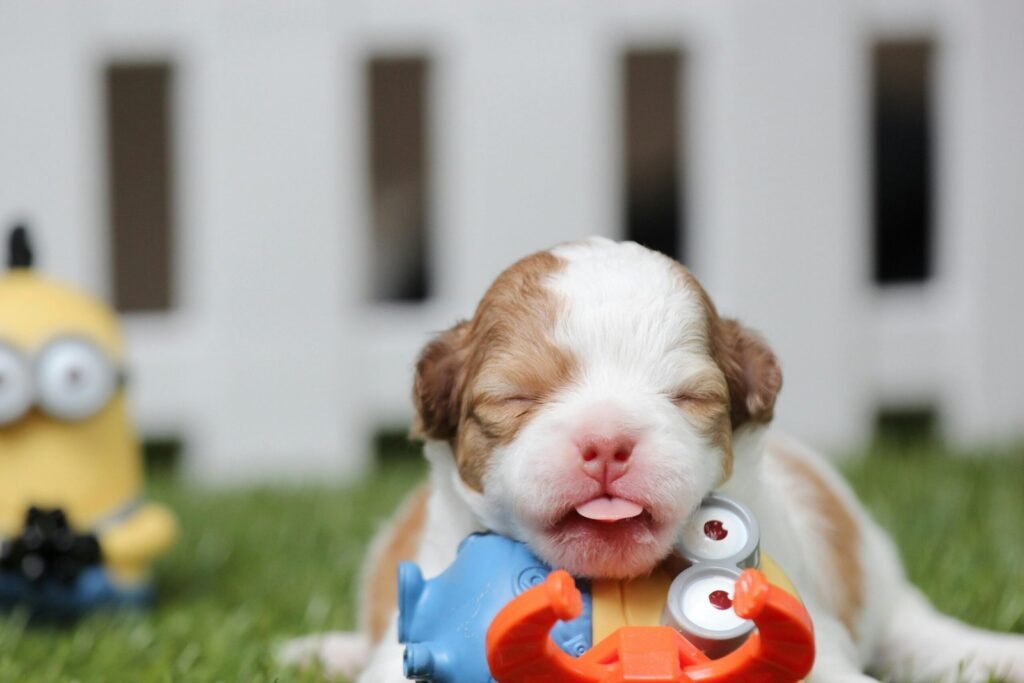
    The good news is that many back injuries are preventable. Understanding why Dachshunds are prone to spinal problems and how daily habits affect their spine can make a real difference in protecting their long-term mobility and comfort.

    Why Dachshunds Are So Prone To Back Problems

    Dachshunds were bred with elongated spines to hunt burrowing animals. While that body shape is iconic, it places extra stress on the intervertebral discs that cushion the vertebrae.

    Many Dachshunds develop a condition called intervertebral disc disease, or IVDD. In this condition, the discs between the spinal bones degenerate faster than normal. Over time, these discs can bulge or rupture, pressing on the spinal cord and causing pain, weakness, or even paralysis.

    IVDD can occur gradually or suddenly, sometimes after a jump, fall, or awkward movement that might seem harmless in other breeds.

    Early Signs Of Back Trouble Owners Should Never Ignore

    Back problems do not always start with dramatic symptoms. Early warning signs are often subtle and easy to miss.

    Contact your veterinarian if you notice:

    • Reluctance to jump, climb stairs, or go up on furniture

    • Crying, yelping, or sudden sensitivity when picked up

    • A stiff or hunched posture

    • Weakness or wobbliness in the back legs

    • Dragging paws or scuffing nails

    • Changes in appetite or behavior due to pain

    Early evaluation can prevent a mild issue from turning into a serious spinal injury.

    Common Triggers For Dachshund Back Injuries

    Many back injuries happen during everyday activities. The most common triggers include jumping on and off furniture, climbing stairs repeatedly, rough play, sudden twisting motions, and slipping on smooth floors.

    Even a single awkward landing can be enough to injure a weakened disc. This is why prevention focuses on reducing strain on the spine during routine movement.

    How To Prevent Back Injuries In Dachshunds

    Manage Jumping And Stairs

    Jumping is one of the biggest risk factors for spinal injury. Using ramps or pet stairs for beds, couches, and vehicles significantly reduces spinal impact. Blocking access to staircases or carrying your Dachshund up and down stairs can also help prevent injury.

    Consistency matters. Even occasional jumping can undo weeks of careful prevention.

    Maintain A Healthy Weight

    Extra weight puts additional pressure on the spine and discs. Dachshunds that are even slightly overweight face a higher risk of disc herniation and slower recovery if injury occurs.

    Regular weigh-ins, portion control, and appropriate treats go a long way in protecting spinal health.

    Strengthen Core Muscles Safely

    Strong core and back muscles help support the spine. Controlled leash walks, gentle incline walking, and veterinarian-approved exercises can improve muscle tone without overloading the back.

    Avoid activities that involve sudden turns, jumping, or high-impact movement.

    Use Proper Handling Techniques

    Always support both the chest and hindquarters when lifting a Dachshund. Lifting under the arms alone allows the spine to sag, increasing strain. Teaching all family members proper handling is especially important.

    Choose The Right Harness

    A well-fitted harness that distributes pressure across the chest rather than the neck reduces strain on the spine and neck. Collars alone are not ideal for Dachshunds, especially those prone to pulling.

    Improve Traction At Home

    Slippery floors increase the risk of falls and sudden twisting motions. Area rugs, runners, or non-slip mats can help Dachshunds move confidently without losing footing.

    What To Do If You Suspect A Back Injury

    If your Dachshund suddenly shows signs of pain, weakness, or difficulty walking, restrict movement immediately and contact your veterinarian. Do not encourage walking, stretching, or jumping.

    Early treatment can include rest, pain control, anti-inflammatory medication, or further diagnostics such as imaging. In more severe cases, surgery may be recommended. Prompt care improves outcomes significantly.

    Long-Term Outlook For Dachshunds With Back Issues

    Many Dachshunds with mild to moderate disc disease live full, active lives with proper management. Prevention, early detection, and lifestyle adjustments are key.

    Routine veterinary exams help identify risk factors early and allow for personalized guidance based on your dog’s age, activity level, and spinal health.

    Partnering With Your Veterinarian Matters

    Back problems in Dachshunds are not something to manage alone. A proactive veterinary approach helps reduce the risk of injury and ensures early intervention if problems arise.

    If you have concerns about your Dachshund’s back, movement, or pain, the team at Norgate Animal Hospital is here to help. Call (604) 980-2222 to discuss prevention strategies or schedule an evaluation tailored to your dog’s needs.

  • The First 90 Days Of Puppy Care That Shape Lifelong Health

    The First 90 Days Of Puppy Care That Shape Lifelong Health

    The first three months of a puppy’s life are more than just cute milestones and training basics. During this short window, a puppy’s immune system, joints, digestive health, and emotional resilience are all being shaped. Many of the health issues we see later in life can be traced back to choices made during these early weeks. Thoughtful care in the first 90 days sets the foundation for a healthier, more confident adult dog.
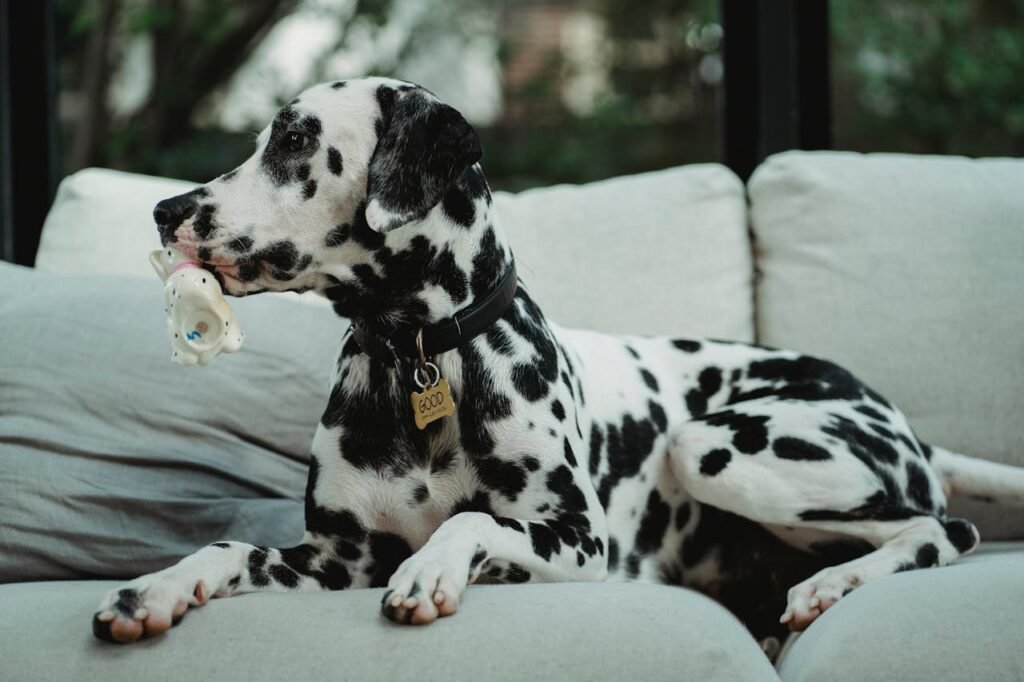
    Why The First 90 Days Matter So Much

    Puppies are not just small dogs. Their bodies are developing rapidly, and their systems are learning how to respond to the world around them. Bones are growing, soft tissues are forming, and the immune system is learning what is normal versus what is a threat.

    This period is also when pups form long-lasting associations with handling, veterinary care, and new environments. Gentle exposure and proper medical guidance during this time can significantly reduce fear, injury, and chronic illness later on.

    Vaccines And Immune Development

    Timing Matters More Than Most Owners Realize

    Vaccines are not just about protection, they are about timing. Puppies are born with antibodies from their mother, which gradually fade. Vaccinating too early or too late can leave protection gaps. This is why puppies receive a series of vaccines rather than a single injection.

    Your veterinarian will tailor a schedule based on your puppy’s risk factors, environment, and lifestyle. Not every puppy needs the exact same plan, and over or under vaccination can both have consequences.

    Avoiding Unnecessary Exposure Early On

    While socialization is critical, exposing puppies to high-risk environments too early can increase the chance of serious illness. Public dog parks, high-traffic areas, and unknown dogs should be avoided until your puppy is appropriately protected.

    Nutrition Shapes Growth And Joint Health

    Overfeeding Can Cause Lifelong Problems

    Rapid growth may seem like a good sign, but it can place unnecessary strain on developing joints, especially in medium and large breed dogs. Overfeeding calories or calcium can increase the risk of orthopedic conditions later in life.

    Choosing the right puppy food for your dog’s expected adult size and feeding measured portions helps support steady, healthy growth rather than rapid weight gain.

    Treats And Supplements Are Not Always Harmless

    Well-meaning owners often add supplements or too many treats, thinking they are providing extra support. In reality, this can throw off nutrient balance and calorie intake. Most puppies do best with a complete, balanced diet and minimal extras during their first months.

    Gentle Exercise And Growth Plate Protection

    Why Too Much Activity Can Backfire

    Puppy bones have growth plates that remain soft and vulnerable until they close. Excessive running, jumping, or repetitive high-impact activity can damage these areas and lead to arthritis or limb deformities later on.

    Exercise should be regular but controlled. Short play sessions on non-slip surfaces help build muscle and coordination without overloading joints.

    Preventing Parasites Before They Become A Problem

    Puppies are highly susceptible to intestinal parasites, fleas, and other pests that can affect digestion, growth, and overall health. Some parasites are invisible to the eye and may cause only subtle symptoms.

    Regular deworming, fecal testing, and appropriate parasite prevention help protect both your puppy and your household. Early prevention is far easier than treating heavy infestations later on.

    Dental Habits Start Earlier Than You Think

    Baby teeth may seem temporary, but dental habits formed early often persist for life. Puppies that become comfortable with mouth handling and brushing early are far easier to care for as adults.

    Early dental disease can start before adult teeth even erupt, especially in small breeds. Introducing positive dental routines during the first months can prevent painful oral disease later on.

    Socialization That Builds Confidence, Not Fear

    Quality Over Quantity

    Socialization is not about overwhelming your puppy with experiences. It is about positive, controlled exposure to different people, surfaces, sounds, and handling. A rushed approach can create fear rather than confidence.

    Short, calm interactions paired with rewards help puppies learn that new experiences are safe and manageable.

    Vet Visits Should Not Always Mean Needles

    Bringing your puppy in for positive, low-stress visits helps build trust and reduces anxiety around veterinary care. Puppies who associate the clinic with calm handling and reassurance are often much easier patients later in life.

    Establishing A Baseline For Lifelong Health

    The first few veterinary visits are not only about vaccinations. They allow your veterinarian to track growth, identify early abnormalities, and establish baseline values for weight, heart function, and overall development.

    These early records become incredibly valuable as your puppy ages and small changes may signal larger problems.

    When To Partner With Norgate Animal Hospital

    The first 90 days offer a brief but powerful opportunity to support your puppy’s lifelong health. Personalized guidance during this period can help prevent avoidable issues and give you confidence in your care choices.

    For questions about puppy wellness plans, vaccination schedules, nutrition, or early behavior concerns, contact Norgate Animal Hospital at (604) 980-2222. Starting strong makes a lasting difference.

  • The Hidden Dangers of Skipping Your Dog’s Dental Cleanings

    The Hidden Dangers of Skipping Your Dog’s Dental Cleanings

    At Norgate Animal Hospital, we often see pet owners focus on vaccinations, nutrition, and exercise while overlooking dental care. Skipping regular dental cleanings may seem harmless, but it can have serious consequences for your dog’s overall health. Understanding the risks and taking proactive steps can keep your dog happy, healthy, and pain-free.

    Why Dental Health Matters

    Your dog’s mouth naturally harbors bacteria. Without regular cleanings, plaque and tartar build up along the teeth and gums. Over time, this can lead to periodontal disease, which is one of the most common health problems in dogs. Periodontal disease isn’t just about bad breath; it can cause gum inflammation, tooth loss, and significant discomfort.

    How Dental Issues Affect Overall Health

    Dental problems don’t stay confined to the mouth. Bacteria from untreated dental disease can enter the bloodstream and impact major organs like the heart, liver, and kidneys. Studies show a clear link between poor oral health and serious systemic conditions. Skipping dental cleanings increases the risk of infections that are difficult to treat and may affect your dog’s long-term health.

    Behavioral Signs of Dental Problems

    Dogs can’t tell us when they’re in pain, but they do show it through behavior. Difficulty eating, drooling, pawing at the mouth, or changes in chewing habits may indicate dental discomfort. Some dogs become irritable or withdraw from play. Regular dental checkups at Norgate Animal Hospital help catch these issues early, preventing pain and behavior changes.

    Preventive Steps You Can Take at Home

    Professional dental cleanings are essential, but there are daily steps you can take to support your dog’s oral health. Brushing your dog’s teeth with pet-safe toothpaste, offering dental chews, and providing toys designed to reduce plaque buildup all help. However, these measures cannot replace professional cleanings, which remove plaque and tartar that home care cannot reach.

    When to Schedule a Dental Cleaning

    We generally recommend dental cleanings once a year, though some dogs may need them more frequently depending on age, breed, and oral health. Puppies benefit from early dental care to help them get comfortable with brushing and veterinary checkups.

    At Norgate Animal Hospital, we emphasize that skipping dental cleanings comes with hidden dangers that affect both oral and overall health. Regular professional care, combined with good home practices, prevents pain, infections, and long-term health complications. Keeping up with dental cleanings ensures your dog stays healthy, comfortable, and full of life.